Wow, what a time to be a traveler! It feels like just yesterday we were all dreaming of our next escape, and now, the global tourism scene is absolutely buzzing.
I’ve personally seen such an incredible surge in wanderlust, a real desire to explore, connect, and just live life to the fullest. The industry is not just recovering; it’s transforming before our eyes, isn’t it?
We’re talking about a massive shift towards deeply personal and meaningful journeys, where ticking off landmarks takes a backseat to genuinely experiencing a culture or a place.
People are really investing in experiences, seeking out those unique, off-the-beaten-path adventures and places that speak to their soul. And honestly, who can blame them?
I know I crave those authentic moments that stay with me long after I’ve returned home. This movement toward sustainable and eco-conscious travel is also huge, which warms my heart.
Everyone, from solo adventurers to multi-generational families, is looking for ways to travel responsibly and leave a positive impact. Technology, especially AI, is playing a fascinating role, making trip planning smoother and even more personalized.
It’s truly exciting to see how these trends are shaping our adventures, making them richer, more accessible, and more mindful. The world of travel is absolutely vibrant right now, isn’t it?
After a few years of quiet, our wanderlust has exploded, reshaping the global tourism market in ways we couldn’t have imagined. From chasing authentic cultural immersions to embracing sustainable journeys, travelers are seeking deeper connections and unforgettable stories.
It’s a truly dynamic landscape, full of exciting trends and a few evolving challenges. Let’s really dive into what’s making global travel tick today.
The Rise of Authentic Experiences and Immersive Journeys
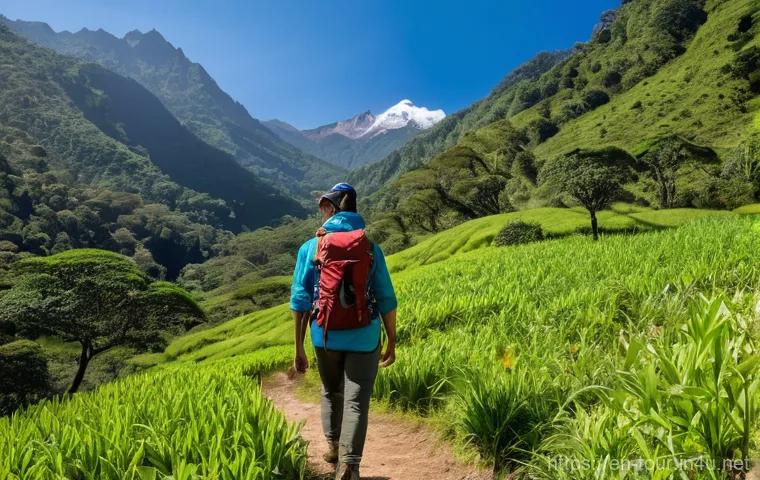
Craving Connection Over Checklists
I’ve definitely noticed a huge shift away from just “seeing” places to truly *experiencing* them. Remember those whirlwind trips where you just rushed from one landmark to the next, barely having time to breathe?
Yeah, those days feel like they’re slowly fading. What travelers, myself included, are really yearning for now is genuine connection. We want to sit down with locals, learn about their daily lives, maybe even share a meal in their home.
It’s less about ticking off the Eiffel Tower and more about finding that little boulangerie where locals grab their morning croissant, or stumbling upon a hidden street art mural that tells a story.
I recently spent a week in Kyoto, and instead of just hitting the major temples, I enrolled in a traditional tea ceremony and spent an afternoon wandering through Nishiki Market, chatting with vendors.
Those moments, the unscripted ones, are the ones that stick with you, aren’t they? They transform a trip into a memory. This desire for depth means we’re spending more time in fewer places, allowing ourselves to truly soak in the atmosphere and culture.
It’s about quality over quantity, every single time, and it makes all the difference in truly understanding a destination’s heart and soul.
Unearthing Local Gems
Part of this craving for authenticity is the thrill of discovery, that feeling you get when you find something truly unique that isn’t plastered all over every tourist brochure.
I find myself spending hours on travel forums and talking to locals for recommendations before I even pack my bags. It’s all about seeking out those hidden gems, whether it’s a tiny, family-run restaurant serving the most incredible regional dishes you’ve ever tasted, or a secluded hiking trail that offers breathtaking views far from the crowds.
This isn’t just about avoiding other tourists; it’s about supporting local businesses and getting a real feel for the place. When I was in Portugal last year, a local recommended a small fishing village south of Lisbon that I’d never heard of, and it turned out to be one of the highlights of my trip – fresh seafood, stunning undeveloped beaches, and a real sense of community.
That’s the magic, right? Those personal recommendations and a willingness to step off the well-trodden path make all the difference. It’s truly a rewarding way to travel, offering stories you simply can’t get from a standard tour package, and enriching your understanding of the world one local secret at a time.
Sustainable Travel: A Conscious Shift Towards Greener Adventures
Making Eco-Friendly Choices on the Road
It warms my heart to see how much more aware we all are becoming about our environmental impact, even when we’re on vacation. Sustainable travel isn’t just a buzzword anymore; it’s a real movement, and I’ve personally seen a huge shift in how people are planning their trips.
From choosing eco-certified accommodations to opting for public transport or even electric vehicles, travelers are actively seeking ways to lessen their footprint.
I always try to pack a reusable water bottle and coffee cup, and I make an effort to choose hotels that have clear sustainability initiatives, like reducing plastic waste or sourcing local produce for their restaurants.
It’s about making small, mindful choices that collectively make a big difference. I remember staying at an incredible lodge in Costa Rica that ran entirely on solar power and had its own organic garden – it felt so good to know my stay was supporting such a responsible operation.
It genuinely feels better to enjoy a destination knowing you’re helping preserve its natural beauty for future generations, contributing positively rather than just consuming.
Supporting Local, Protecting the Planet
Beyond just reducing waste, sustainable travel is deeply intertwined with supporting local communities. When you spend your money at locally-owned businesses – whether it’s a family-run guesthouse, a small artisan shop, or a restaurant using ingredients from nearby farms – you’re directly contributing to the local economy.
This isn’t just good for the people living there; it also helps maintain the unique character of a place, which is often what drew us there in the first place!
I always make it a point to buy souvenirs directly from local artists rather than mass-produced items, and I try to eat at smaller eateries that are clearly supported by the community.
Last summer in Sicily, I took a cooking class with a local nonna (grandmother), and not only was the food incredible, but the experience also directly supported her family and preserved traditional cooking methods.
It’s a win-win: you get an authentic experience, and the community benefits. It’s about ensuring that tourism is a force for good, preserving culture and environment alike, fostering a respectful and mutually beneficial relationship between travelers and their hosts.
The Digital Nomad Revolution and Remote Work Destinations
Work From Anywhere: The New Office View
The world has absolutely changed, hasn’t it? The idea of being tied to a single office, Monday to Friday, feels almost antiquated now. The digital nomad movement has exploded, and I’ve seen so many friends and fellow travelers embrace this lifestyle with incredible enthusiasm.
Suddenly, your “office” can be a beachside cafe in Bali, a cozy apartment in Lisbon, or a vibrant co-working space in Mexico City. I even dabbled in it myself for a few months, working from Barcelona, and let me tell you, having the freedom to explore a new city after logging off for the day is an absolute game-changer.
It’s not just about escaping the cubicle; it’s about integrating travel into your daily life, finding a balance between productivity and adventure. Companies are more open to remote work than ever, and individuals are realizing they don’t have to choose between a career and their wanderlust.
This trend has created an entirely new category of traveler, one that stays longer, integrates deeper into local life, and often has a larger impact on the local economy through sustained spending.
Finding Your Perfect ‘Workcation’ Spot
With so many people ditching the traditional office, the search for the perfect remote work hub has become a real quest. It’s not just about good Wi-Fi anymore; you need a place with a decent cost of living, a vibrant expat community (if that’s your thing), cultural activities, and of course, great food!
Destinations worldwide are catching on, offering special digital nomad visas and incentives to attract this new wave of long-term visitors. Think about places like Portugal, with its D7 visa, or Croatia, which has actively courted remote workers.
I’ve personally researched countless cities, weighing factors like time zones for client calls, the availability of reliable co-working spaces, and access to outdoor activities for downtime.
It’s a truly unique way to experience a culture, not just as a fleeting visitor, but as a temporary resident, really getting to grips with daily life.
Choosing the right spot can make all the difference between a productive work period and a distracting one, but when you hit that sweet spot, it’s pure magic and an unparalleled way to explore the world.
Wellness and Regenerative Retreats: Beyond Just a Vacation
Prioritizing Mind, Body, and Soul
Gone are the days when a vacation was just about lying on a beach (though I still love those!). Nowadays, more and more people, myself included, are seeking out travel experiences that genuinely nourish their mind, body, and soul.
Wellness travel has evolved significantly, moving beyond simple spa treatments to encompass holistic well-being. We’re talking about yoga retreats in the serene mountains of Asheville, meditation getaways in tranquil Bali, or even silent retreats designed for digital detoxing.
I recently tried a five-day hiking and mindfulness retreat in Sedona, Arizona, and it was incredibly transformative. It wasn’t just physical activity; it was about connecting with nature, clearing my head, and truly recharging.
People are realizing that travel can be a powerful tool for personal growth and self-improvement, offering a much-needed escape from the relentless pace of modern life.
It’s an investment in yourself, helping you return home not just rested, but genuinely revitalized and with a clearer perspective, ready to tackle life with renewed vigor.
Healing Journeys and Personal Growth
This trend extends beyond just general wellness to what’s often called “regenerative travel,” where the goal isn’t just to *feel* good, but to *do* good, and to come back better than you left.
It’s about finding destinations and activities that help you reconnect with yourself and perhaps even with the planet. This could involve volunteering during your trip, participating in conservation efforts, or learning new skills that foster personal development.
I’ve seen retreats focusing on everything from plant-based cooking to creative writing, all set in inspiring locations. It’s not just about a temporary break; it’s about sustained positive change.
Think of farm stays where you learn about sustainable agriculture, or cultural immersion programs that teach traditional crafts. These experiences offer a profound sense of purpose, blending leisure with learning and contribution.
It really changes your perspective on what a “vacation” can be, doesn’t it? It’s about coming home with more than just souvenirs – you return with new skills, deeper understanding, and a renewed sense of self, truly making your travels count.
Tech-Enabled Travel: AI, Personalization, and Seamless Planning
Your AI-Powered Travel Assistant
Okay, let’s talk tech, because it’s absolutely transforming how we plan and experience our travels. AI, in particular, has become incredibly sophisticated, moving beyond simple chatbots to genuinely intelligent travel assistants.
I’ve been experimenting with a few AI-powered itinerary planners lately, and it’s wild how quickly they can generate personalized recommendations based on my past trips, budget, and even my preferred dining styles.
Imagine an AI sifting through thousands of flight and hotel options, cross-referencing reviews, and even suggesting local events that perfectly match your interests – all in a fraction of the time it would take you manually.
This level of personalization means less time stressing over logistics and more time dreaming about your adventure. It really takes the heavy lifting out of trip planning, allowing you to focus on the fun parts.
I’ve found it especially useful for finding unique, off-the-beaten-path experiences that I might never have discovered on my own, which is exactly what I crave!
Navigating the Digital Landscape

Beyond planning, technology is enhancing the actual travel experience in countless ways. Mobile apps now offer everything from real-time language translation to digital boarding passes and contactless payments.
I honestly can’t imagine traveling without my trusty smartphone anymore – it’s become my map, my translator, my wallet, and my connection to home. The rise of smart luggage, which you can track via GPS, or portable Wi-Fi devices, which ensure you’re always connected, are just a few examples of how innovations are making journeys smoother and less stressful.
And let’s not forget about virtual reality, which is starting to offer immersive previews of destinations, helping us decide where to go next! It’s all about creating a seamless journey from the moment you start dreaming to the moment you return home, bags packed with memories.
The trick is to embrace these tools without letting them overshadow the actual experience of being *there*, ensuring technology enhances rather than detracts from your adventure.
Niche Adventures: From Micro-Trips to Epic Expeditions
Exploring Specialized Interests
The days of one-size-fits-all travel packages are definitely behind us. What I’m seeing now is a huge boom in highly specialized, niche travel experiences that cater to very specific interests.
Whether you’re a hardcore cyclist dreaming of touring the Dolomites, a foodie wanting to immerse yourself in a Tuscan cooking school, or a birdwatcher hoping to spot rare species in the Amazon, there’s an adventure designed just for you.
This trend is fantastic because it means you can truly pursue your passions while exploring a new part of the world. I recently joined a small group for a photography workshop in Iceland, focusing on capturing the Northern Lights, and it was incredible to share that intense focus with fellow enthusiasts.
It creates a much deeper, more engaging experience than simply sightseeing. These trips often bring together like-minded individuals, fostering a sense of community and shared discovery that’s truly special, turning a vacation into a passionate pursuit.
The Appeal of Off-Peak and Unique Destinations
Hand-in-hand with niche travel is the growing appeal of exploring unique, less-frequented destinations and even venturing out during the “off-peak” seasons.
While everyone else is flocking to the Mediterranean in July, I’ve found some of my most rewarding trips have been to places like Slovenia in early spring, or New Mexico in late fall.
You get fewer crowds, often better prices, and a more authentic feel for the local life. Plus, some destinations shine brightest outside of their peak tourist times – imagine the autumn colors in New England, or the misty charm of Scotland in winter.
Micro-trips, too, are gaining traction. These are shorter, highly focused getaways that allow you to squeeze in an adventure without taking a huge chunk out of your schedule or budget.
It’s about maximizing those long weekends or brief windows of opportunity, perhaps for a quick culinary tour of a nearby city or a challenging hike in a national park.
This flexibility and desire for unique timing truly opens up a world of possibilities for continuous exploration, proving that adventure isn’t limited by season or duration.
The Ever-Evolving Role of Local Communities in Tourism
Empowering Local Voices
It’s truly inspiring to see how local communities are increasingly taking the lead in shaping their own tourism narratives. The old model, where external companies often dictated the terms, is giving way to a more equitable approach.
I’ve found that when locals are empowered to share their culture and heritage on their own terms, the experience for travelers becomes infinitely richer and more authentic.
This might mean staying in a homestay, taking a guided tour led by a lifelong resident, or participating in a cultural workshop organized by community elders.
For example, in parts of rural Ireland, I’ve seen initiatives where small villages promote their unique traditions, music, and storytelling, offering visitors a deeper insight into their way of life, and keeping the benefits of tourism directly within the community.
It shifts the power dynamic, ensuring that the stories being told are genuine and that the economic benefits directly support the people who live there, fostering a true sense of partnership rather than just transaction.
Travel that Gives Back
This shift also means more opportunities for “travel that gives back.” Travelers aren’t just looking to observe; many want to contribute positively to the places they visit.
This could involve choosing tour operators that directly fund local conservation projects, participating in community clean-ups, or even selecting accommodations that employ and train local residents, providing sustainable livelihoods.
I always look for ways to leave a place better than I found it, whether it’s through supporting local non-profits or simply being a respectful and engaged visitor.
When I traveled to Vietnam, I made sure to book a tour with a company that explicitly stated a portion of its profits went towards local education initiatives.
Knowing that my travel dollars were directly making a difference added such a profound layer of meaning to the entire trip. It’s about creating a virtuous cycle where tourism enriches both the visitor and the visited, building bridges and fostering mutual respect, making every journey a chance to make a positive impact.
Multi-Generational Travel: Bringing Families Closer
Adventures for Every Age
One of the most heartwarming trends I’ve witnessed is the surge in multi-generational travel. It’s no longer just parents and kids; we’re seeing grandparents, aunts, uncles, and cousins all embarking on adventures together.
After years of being apart, families are really prioritizing creating shared memories, and travel is the perfect way to do that. The challenge, of course, is finding destinations and activities that appeal to *everyone*, from the toddlers to the grandparents.
But I’ve seen some incredible solutions, like all-inclusive resorts with diverse activity offerings, cruises with tailored programs for different age groups, or even large vacation rentals with plenty of space for everyone to relax and reconnect.
My own family recently took a trip to a national park, and we planned activities like gentle walks, accessible wildlife viewing, and even a little bit of stargazing that everyone could enjoy.
It truly emphasized the joy of experiencing new things together, and those shared moments are absolutely priceless, weaving a richer tapestry of family history.
Crafting Shared Memories
The beauty of multi-generational travel lies in the unique memories it creates, memories that span decades and strengthen family bonds. It’s about watching a grandparent share their wisdom with a grandchild amidst a new landscape, or seeing cousins forge deeper connections while exploring a historical site.
These trips often require a bit more planning and compromise, but the rewards are immeasurable. Families are increasingly looking for experiences that allow for both collective activities and individual downtime, ensuring everyone feels refreshed and engaged.
Think of a family villa in Tuscany where everyone can gather for meals but also pursue their own interests during the day, whether it’s a cooking class or a painting session.
It’s an investment in togetherness, a chance to pause from the daily grind and truly connect. From beach holidays to city explorations, the goal is always the same: to craft unforgettable stories that the entire family will cherish for years to come, strengthening the fabric of familial love through shared experiences and a renewed sense of connection.
| Aspect of Travel | Traditional Approach (Past) | Modern Approach (Today’s Traveler) |
|---|---|---|
| Motivation | Sightseeing, relaxation, escaping routine | Authentic immersion, personal growth, meaningful connection, sustainability |
| Trip Duration | Short, intense bursts (e.g., 1-2 weeks) | Varied; longer stays (digital nomads), shorter “micro-trips” |
| Accommodation | Standard hotels, resorts | Eco-lodges, homestays, boutique hotels, vacation rentals, co-living spaces |
| Planning Tools | Travel agents, guidebooks | AI planners, personalized apps, peer reviews, local recommendations |
| Spending Focus | Shopping, pre-packaged tours | Local experiences, sustainable products, community-based tourism |
| Impact on Locals | Often minimal or indirect engagement | Direct support, cultural exchange, respectful interaction, giving back |
Wrapping Up Our Journey
Well, friends, what an incredible journey we’ve taken through the ever-evolving landscape of travel! It’s truly thrilling to see how our collective desire for deeper, more meaningful experiences is shaping the way we explore the world. From craving genuine local connections and championing sustainable practices to embracing the freedom of remote work and seeking out transformative wellness retreats, it’s clear that travel is no longer just about getting away – it’s about growing, connecting, and making a positive impact. I’ve personally felt this shift in my own adventures, finding so much more joy in those unscripted moments and intentional choices. This isn’t just about trends; it’s about a fundamental change in our hearts as travelers, yearning for something richer than just a postcard view.
Handy Tips for Your Next Adventure
Here are a few nuggets of wisdom I’ve picked up along the way that might just make your next trip even more amazing:
1. Dive into Local Life Early: Don’t wait until you’re there to start thinking about local connections. Before you even book your flights, spend some time on local community forums, Facebook groups, or even platforms like Reddit. Ask for recommendations for non-touristy eateries, hidden parks, or community events. I’ve found that reaching out to locals beforehand can lead to some truly unforgettable experiences, like getting invited to a neighborhood potluck or discovering a tiny, family-run shop that sells the most unique souvenirs. It’s all about opening yourself up to genuine interactions, which can transform a mere visit into a real cultural exchange.
2. Pack Smart for Sustainability: Making eco-friendly choices starts before you leave home. Invest in a good quality reusable water bottle and a travel mug for coffee, and always remember your reusable shopping bag. Consider packing solid toiletries (shampoo bars, toothpaste tablets) to reduce plastic waste, and choose clothes made from sustainable materials that can be easily hand-washed. I’ve noticed a huge difference in how much waste I produce when I’m mindful about these small details. Every little bit truly helps in protecting the beautiful places we love to visit, and it feels good knowing you’re contributing positively.
3. Leverage Tech, But Don’t Depend on It Entirely: While AI and travel apps are incredible for planning and navigation, remember that the best discoveries often happen when you look up from your screen. Use your phone for essential translations or quick fact-checks, but challenge yourself to put it away when you’re exploring a new neighborhood or enjoying a meal. Sometimes, getting a little lost or striking up a conversation with a local without relying on a digital crutch can lead to the most memorable moments. It’s all about finding that sweet spot where technology enhances your journey without eclipsing the raw experience.
4. Consider Off-Peak Travel for Deeper Immersion: Seriously, don’t underestimate the magic of traveling during the shoulder season or even the off-season. Not only will you often find better deals on flights and accommodation, but you’ll also encounter far fewer crowds, allowing you to truly soak in the atmosphere of a place. I’ve had some of my most cherished experiences exploring European cities in late fall or early spring, enjoying charming cafes and museums without the usual hustle and bustle. Plus, engaging with locals is often easier when they’re not overwhelmed by peak tourist numbers, giving you a more authentic feel for their daily lives.
5. Prioritize Experiences Over Possessions: In our quest for authentic travel, the focus has firmly shifted from collecting souvenirs to collecting memories. Instead of buying mass-produced trinkets, invest your money in unique local experiences: a cooking class with a local chef, a guided hike to a hidden waterfall, or a traditional art workshop. These aren’t just activities; they’re opportunities for personal growth and connection. I always find that these experiences leave me with a much richer sense of the place and stories that I’ll cherish long after any physical memento has faded. It’s about enriching your soul, not just your suitcase.
Key Takeaways
The travel world is buzzing with dynamic shifts, signaling a move towards more conscious, personalized, and impactful journeys. We’re seeing a powerful trend where travelers are seeking authenticity, prioritizing sustainable choices, and embracing technology to enhance, rather than dictate, their adventures. From the rise of digital nomads exploring “workcation” spots to families reconnecting through multi-generational trips, the core desire is for deeper engagement and meaningful experiences. What truly stands out is our collective commitment to supporting local communities and leaving destinations better than we found them. This isn’t just about leisure; it’s about personal growth, cultural exchange, and a renewed appreciation for our planet, shaping a future where every journey is a chance to learn, contribute, and connect.
Frequently Asked Questions (FAQ) 📖
Q: What’s the one major shift you’ve noticed in how people are planning their trips these days?
A: This is a fantastic question because it really gets to the heart of what’s different! From where I’m sitting, after countless trips and chats with fellow wanderers, the biggest shift is definitely towards experiential and deeply personal journeys.
It’s no longer just about seeing the famous landmarks – though, let’s be real, the Eiffel Tower still gives me chills! – it’s about feeling a place. People are actively seeking out authentic cultural immersions, wanting to cook with locals in Tuscany, learn traditional crafts in Kyoto, or truly understand the history of a hidden village in Scotland.
I’ve personally found that these are the moments that truly stick with you, the ones you tell stories about years later. It’s about building a unique narrative for your trip, something that reflects your own interests and passions, rather than following a rigid itinerary.
This means we’re seeing a huge surge in demand for bespoke tours, local guides, and even longer stays in one place to really soak it all in. It’s less about checking boxes and more about enriching your soul, and honestly, I couldn’t be more on board with this trend!
Q: With all this talk about sustainable travel, what are some practical ways travelers can make a real difference on their next adventure?
A: Oh, this is a topic so close to my heart! It’s incredible to see how many of us are now thinking about our footprint, and trust me, every little bit helps.
From my own experiences trying to be a more conscious traveler, I’d say one of the most impactful things you can do is to support local economies directly.
This means choosing locally-owned guesthouses over big chain hotels, dining at family-run restaurants, and buying souvenirs from artisans who genuinely benefit from your purchase.
I’ve found that not only does it feel good to know your money is helping the community, but you also get a far more authentic experience. Another big one is to minimize your waste.
Think reusable water bottles, coffee cups, and shopping bags. I always pack a small tote, and it’s amazing how often it comes in handy! And let’s not forget about respecting local customs and nature.
It sounds obvious, but simple things like staying on marked trails, conserving water, and learning a few basic phrases of the local language can make a huge difference.
It’s all about leaving a place as beautiful, if not more beautiful, than you found it. It’s a collective effort, and when we all pitch in, the impact is truly massive.
Q: How is technology, especially things like
A: I, actually changing the way we plan and experience our trips? Is it really making things better? A3: You know, when AI first started popping up everywhere, I was a little skeptical, thinking it might take away from the spontaneity of travel.
But after playing around with some of the new tools, I’ve completely changed my tune! Technology, and particularly AI, is genuinely revolutionizing how we plan and enhance our journeys, making them far more personalized and efficient.
I’ve found that AI-powered travel planners can sift through millions of data points to suggest itineraries perfectly tailored to my interests, budget, and even my preferred pace of travel.
It’s like having a super-smart personal travel agent who never sleeps! For example, it can suggest off-the-beaten-path cafes near my hotel based on my past dining preferences, or find the best flight deals when I’m most flexible.
Beyond planning, imagine real-time translation apps that make navigating foreign languages a breeze, or augmented reality guides that bring historical sites to life right before your eyes.
While it’s definitely not replacing the thrill of discovery, it’s certainly removing a lot of the logistical headaches and opening up new possibilities for exploration.
It gives us more time to simply enjoy the destination. It truly feels like we’re just scratching the surface of how technology will continue to make our adventures richer and more accessible.