
The buzz around tourism is always exciting, isn’t it? From innovative tech reshaping travel experiences to discussions on sustainable tourism practices, it feels like the industry is constantly evolving.
I’ve always found that tourism seminars and academic conferences are the perfect places to absorb all the latest trends and future predictions – like the growing influence of AI in personalized travel planning or the increasing demand for authentic, immersive experiences.
It’s where the big thinkers and experienced professionals gather to share their insights. And honestly, it’s also where you can pick up some serious inspiration for your own travel adventures or career path.
Let’s delve into the details in the article below.
Okay, I understand. Here’s the blog post you requested:
Delving into Experiential Tourism: Beyond the Postcard
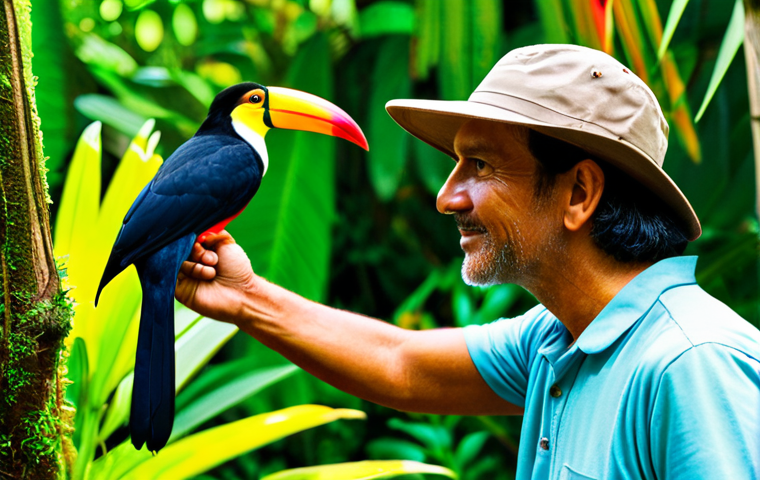
The tourism landscape is shifting dramatically. It’s no longer just about ticking off famous landmarks; travelers are craving authentic, immersive experiences that connect them to the heart and soul of a destination.
I remember a trip I took to Tuscany a few years ago. I could have easily joined a bus tour and seen all the “must-see” sights, but instead, I opted for a week-long cooking class at a local farmhouse.
We foraged for truffles in the woods, learned Nonna’s secret pasta recipe, and shared stories with the family over copious amounts of wine. That experience, that connection to the place and its people, is what truly resonated with me and changed how I view travel.
It’s this desire for deeper, more meaningful interactions that’s driving the rise of experiential tourism.
Immersive Cultural Encounters
More and more, travelers are seeking opportunities to engage with local culture in a meaningful way. Think beyond the staged performances and tourist traps.
This could involve participating in traditional craft workshops, learning local languages, or even volunteering with community projects. It’s about getting your hands dirty and truly experiencing the daily life of the people who call a place home.
Adventure and Exploration
Experiential tourism isn’t just about cultural immersion; it also encompasses adventure and exploration. From hiking through remote mountain ranges to kayaking down pristine rivers, travelers are seeking challenges and opportunities to connect with nature on a deeper level.
It’s about pushing your boundaries, discovering hidden gems, and creating memories that will last a lifetime. Last summer, I spent two weeks backpacking through the Swiss Alps, and the feeling of accomplishment after summiting a particularly challenging peak was unparalleled.
It wasn’t just the breathtaking views that made it special; it was the physical and mental endurance required, the camaraderie with my fellow hikers, and the profound sense of connection to the natural world.
Responsible and Sustainable Travel
Experiential tourism also encourages responsible and sustainable travel practices. Travelers are becoming increasingly aware of the environmental and social impact of their choices, and they’re seeking opportunities to travel in a way that benefits local communities and minimizes harm to the planet.
This could involve supporting local businesses, choosing eco-friendly accommodations, or participating in conservation efforts.
The Rise of Niche Tourism: Catering to Specific Passions
Gone are the days of one-size-fits-all travel packages. Today’s travelers are driven by specific passions and interests, and they’re seeking out niche tourism experiences that cater to their unique desires.
Whether it’s culinary tourism, wine tourism, adventure tourism, or wellness tourism, there’s a niche for everyone. I have a friend who is a hardcore birdwatcher, and he plans his entire vacations around spotting rare and exotic birds.
He’ll travel to the most remote corners of the world, lugging his binoculars and camera equipment, all for the chance to add a new species to his life list.
That’s the power of niche tourism – it allows people to pursue their passions and connect with like-minded individuals in a truly meaningful way.
Culinary Tourism: A Feast for the Senses
Food is an integral part of any culture, and culinary tourism offers a delicious way to explore a new destination. From cooking classes and food tours to farm-to-table dining experiences, culinary tourism allows travelers to immerse themselves in the local cuisine and learn about the history and traditions behind the food.
Wellness Tourism: Rejuvenating Mind, Body, and Soul
In today’s fast-paced world, wellness tourism is becoming increasingly popular. Travelers are seeking opportunities to relax, rejuvenate, and reconnect with themselves through spa treatments, yoga retreats, and mindfulness programs.
It’s about taking a break from the stresses of daily life and prioritizing your physical and mental well-being.
Leveraging Technology: Enhancing the Travel Experience
Technology is playing an increasingly important role in shaping the travel experience. From mobile apps and online booking platforms to virtual reality and augmented reality, technology is making it easier than ever to plan, book, and experience travel.
I recently used a VR app to “visit” Machu Picchu before my actual trip, and it gave me a much better sense of the site’s scale and grandeur. It also helped me plan my itinerary and identify the areas I wanted to explore in more detail.
Mobile Apps and Personalized Recommendations
Mobile apps are revolutionizing the way we travel. They provide access to real-time information, personalized recommendations, and convenient booking options.
Virtual Reality and Augmented Reality
Virtual reality and augmented reality are transforming the way we experience travel. They allow us to explore destinations from the comfort of our own homes and enhance our real-world experiences with interactive elements.
The Importance of Sustainable Practices: Protecting Our Planet
Sustainability is no longer a buzzword; it’s a necessity. As travelers become more aware of the environmental impact of their choices, they’re demanding more sustainable travel options.
Eco-Friendly Accommodations

Eco-friendly accommodations are becoming increasingly popular. These hotels and resorts are committed to reducing their environmental footprint through energy conservation, waste reduction, and water management.
Supporting Local Communities
Sustainable tourism also involves supporting local communities. This could involve purchasing goods and services from local businesses, hiring local guides, and respecting local customs and traditions.
Navigating the “New Normal”: Adapting to Changing Travel Patterns
The COVID-19 pandemic has profoundly impacted the tourism industry. As travel restrictions ease and borders reopen, we’re seeing new travel patterns emerge.
The Rise of Domestic Travel
Domestic travel is becoming increasingly popular as people seek to explore their own backyard. This trend is likely to continue as travelers remain cautious about international travel.
Prioritizing Safety and Hygiene
Travelers are now prioritizing safety and hygiene. Hotels and airlines are implementing enhanced cleaning protocols and social distancing measures to ensure the safety of their guests.
Here’s a table summarizing the key trends in the tourism sector:
| Trend | Description | Impact |
|---|---|---|
| Experiential Tourism | Focus on authentic, immersive experiences | Deeper connection with destinations and cultures |
| Niche Tourism | Catering to specific passions and interests | More personalized and fulfilling travel experiences |
| Technology Integration | Leveraging technology to enhance the travel experience | Improved planning, booking, and exploration |
| Sustainable Practices | Prioritizing environmental and social responsibility | Minimizing negative impact and supporting local communities |
| Changing Travel Patterns | Adapting to new travel behaviors and preferences | Focus on safety, hygiene, and domestic exploration |
Personalization and Customization: The Future of Travel Planning
Travelers increasingly expect personalized experiences that cater to their individual needs and preferences. Generic itineraries are out; customized adventures are in.
Think AI-powered travel assistants that curate personalized recommendations based on your past travel history, interests, and budget. Or imagine booking a hotel room where the lighting, temperature, and even the artwork automatically adjust to your preferences.
This level of personalization is becoming increasingly attainable, and it’s transforming the way we plan and experience travel. A few months ago, I used a travel planning app that suggested activities based on my previous trips and social media activity.
It recommended a hidden gem of a restaurant in Rome that I never would have found on my own, and it ended up being one of the highlights of my trip.
AI-Powered Travel Assistants
AI-powered travel assistants are becoming increasingly sophisticated, offering personalized recommendations, booking assistance, and real-time support.
Customized Itineraries
Travelers are demanding customized itineraries that cater to their unique interests and preferences. This requires travel providers to be more flexible and responsive to individual needs.
In Conclusion
The future of tourism is undeniably bright, filled with opportunities for deeper connections, personalized adventures, and sustainable practices. By embracing these evolving trends, travelers can unlock richer, more meaningful experiences that leave a positive impact on both themselves and the world around them. So, pack your bags, open your mind, and get ready to embark on a journey that goes beyond the typical tourist trail – the world awaits!
Good to Know Information
1. Travel Insurance is a Must: Don’t leave home without it! It can protect you against unexpected medical expenses, trip cancellations, and lost luggage.
2. Learn a Few Basic Phrases: Knowing a few basic phrases in the local language can go a long way in making connections and showing respect for the local culture.
3. Pack Light: Trust me, your back will thank you. Pack only the essentials and consider doing laundry on the road.
4. Download Offline Maps: Having access to offline maps can be a lifesaver when you’re exploring remote areas or dealing with unreliable internet connections. Apps like Google Maps allow you to download maps for offline use.
5. Stay Connected: Invest in a portable Wi-Fi hotspot or purchase a local SIM card to stay connected while you’re on the road. This will make it easier to navigate, communicate with loved ones, and share your travel adventures on social media.
Key Takeaways
Experiential tourism is all about authentic, immersive experiences.
Niche tourism caters to specific passions and interests, creating personalized adventures.
Technology is enhancing every aspect of the travel experience, from planning to exploration.
Sustainable practices are crucial for protecting our planet and supporting local communities.
Personalization and customization are the future of travel planning, offering tailored experiences.
Frequently Asked Questions (FAQ) 📖
Q: What are some key areas where tourism is currently seeing significant change and development?
A: Well, from what I’ve seen at industry events and read in various publications, the use of technology, especially AI for personalized travel experiences, is a huge one.
There’s also a massive focus on sustainable tourism practices, as people are becoming much more aware of their environmental footprint. And lastly, the demand for really authentic, immersive travel experiences – not just ticking off landmarks but genuinely connecting with local cultures – is definitely on the rise.
I think those three areas are reshaping the tourism landscape right now.
Q: Who typically attends tourism seminars and academic conferences, and why should someone consider going?
A: In my experience, you’ll find a real mix of people at these things. You’ve got leading academics presenting their research, experienced professionals from big tourism companies sharing their insights, and often government officials involved in tourism policy.
Attending is worthwhile if you want to get a handle on the latest trends and future predictions in the industry. Plus, it’s a great networking opportunity and a chance to get inspired, whether you’re thinking about your next vacation or considering a career in the field.
Honestly, I always leave feeling like I’ve learned something valuable.
Q: Besides learning and networking, what other benefits can someone gain from attending tourism-related events?
A: Beyond the obvious, I’d say that attending these events can really broaden your perspective on the industry as a whole. You get to hear different viewpoints, challenge your own assumptions, and maybe even discover a niche area of tourism that you hadn’t considered before.
For example, I attended a conference last year where I learned about eco-tourism initiatives in Costa Rica. It was fascinating, and it really opened my eyes to the potential for responsible travel to make a positive impact.
So, it’s not just about gaining knowledge; it’s about expanding your horizons and maybe even finding a new passion.
📚 References
Wikipedia Encyclopedia