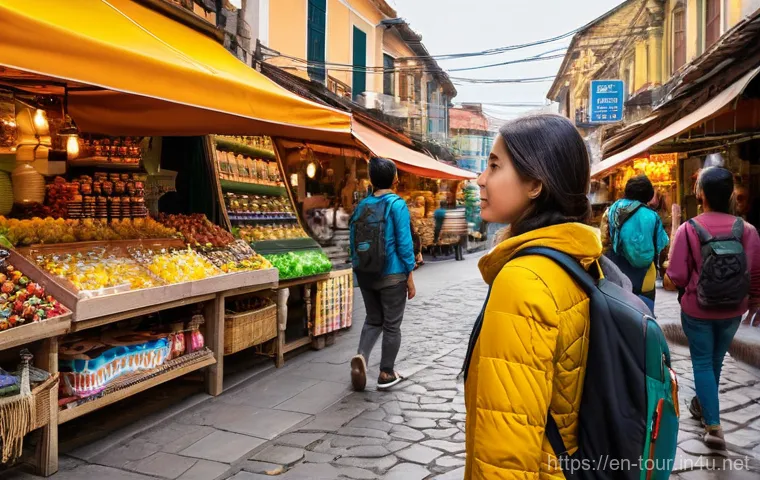
Hey there, fellow wanderlusters! As someone who’s spent years traversing the globe, collecting passport stamps and unforgettable memories, I know firsthand the sheer joy and exhilaration that comes with exploring new horizons.
Every trip is a story waiting to be told, a vibrant tapestry of sights, sounds, and tastes that enriches our lives beyond measure. But let’s be real for a moment: amidst all that excitement, it’s easy to overlook one crucial aspect – staying safe.
It’s the kind of thing we often take for granted until, well, we can’t. From navigating bustling city streets to venturing into remote landscapes, managing your personal safety has become more nuanced than ever before.
With global travel seeing a massive resurgence post-pandemic and evolving geopolitical landscapes, understanding current trends in tourist safety isn’t just a good idea; it’s absolutely essential.
We’re seeing incredible technological advancements, like AI-driven security systems in airports and real-time safety alert apps, changing the game, but also new challenges emerging that demand our awareness and preparedness.
It’s not about letting fear hold you back from adventure; it’s about empowering yourself with knowledge and smart strategies so you can truly enjoy every single moment without unnecessary worry.
I’ve learned a few hard lessons on the road myself, moments that made me realize how quickly a dream trip can turn stressful if you’re not prepared, from minor mishaps to more serious situations where trusting my gut was key.
That’s why I’m so passionate about sharing insights that actually make a difference. In a world where travel is more accessible than ever, but also full of unexpected twists, knowing how to protect yourself and your loved ones is the ultimate souvenir.
So, if you’re ready to master the art of safe travel and explore with genuine confidence, let’s dive into the specifics below. I’m going to walk you through everything you need to know to make your next adventure your safest one yet!
Oh, wow, the travel landscape has truly evolved, hasn’t it? It’s fascinating how much technology and global awareness are shaping our journeys. I’ve been doing some serious digging into what makes a trip truly safe and seamless in this fast-paced world, and let me tell you, there’s a lot more to it than just packing your passport and a toothbrush!
My own adventures have taught me that being prepared isn’t about being paranoid; it’s about being empowered, allowing you to truly soak in every moment without that nagging worry in the back of your mind.
So, let’s dive into some current trends and practical wisdom that I’ve gathered, to help you navigate your next grand escapade with genuine confidence and ease.
Embracing Smart Safety Tech for Peace of Mind
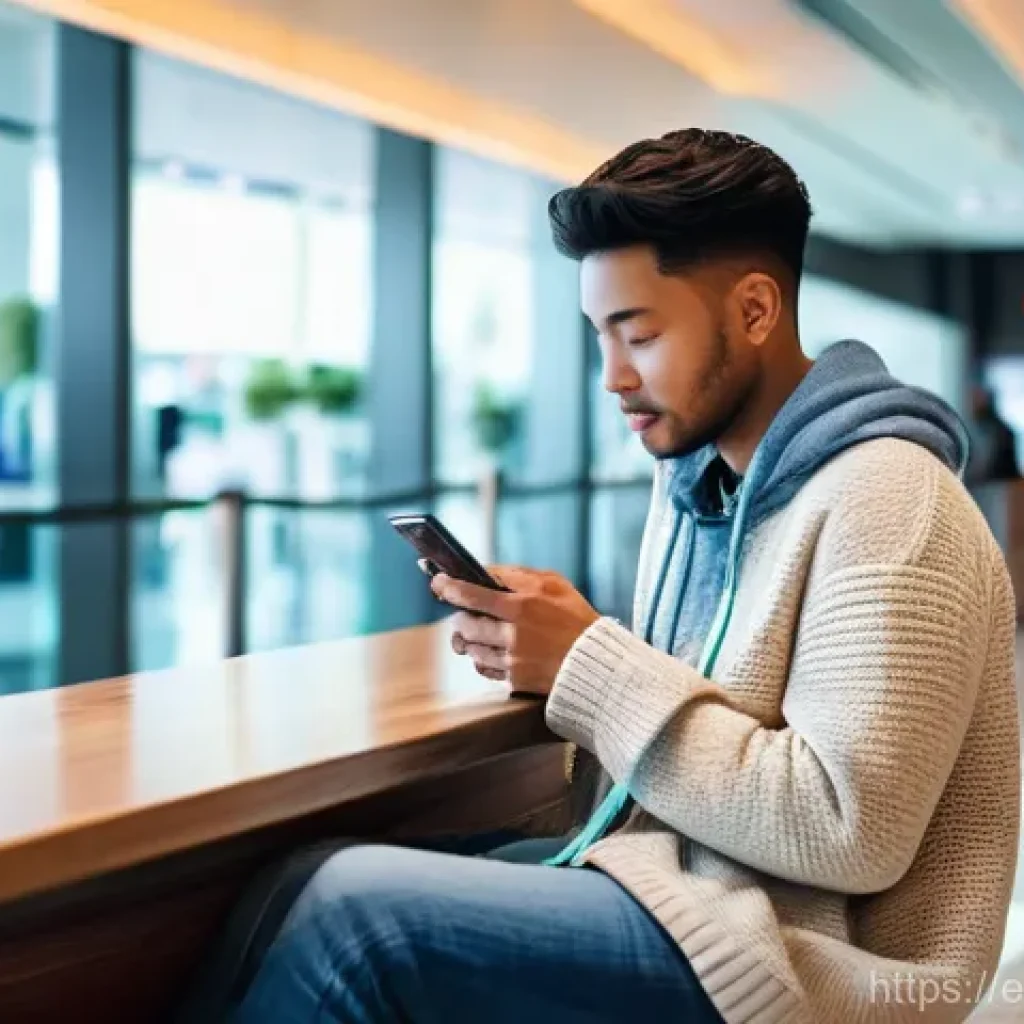
I remember a time when my ‘safety tech’ was a crumpled map and a very loud whistle! But seriously, the advancements we’re seeing in travel technology today are nothing short of incredible, truly transforming how we approach personal security on the go.
In 2025, it feels like almost everyone is leveraging these tools – a global survey even noted that 80% of travelers are now using some form of safety tech to give them peace of mind.
It’s not just about convenience anymore; these apps and gadgets are becoming genuinely indispensable. From real-time alerts that pop up on your phone, warning you about everything from traffic snarls to unexpected demonstrations in a new city, to more sophisticated biometric security checks at airports, the landscape is changing rapidly.
I’ve personally found that having a reliable safety app can be a game-changer, especially when you’re exploring a bustling, unfamiliar neighborhood. It’s like having a local guardian angel right in your pocket, constantly updating you on your surroundings.
Real-Time Alerts and Smart Navigation
Think about this: instead of stumbling into an unexpected protest, your phone could give you a heads-up *before* you even get there. Apps like GeoSure are fantastic for providing real-time safety ratings for different neighborhoods, helping you avoid potentially risky areas, even in a city you thought you knew well.
And let’s not forget the power of good old navigation apps like Google Maps, which now offer safer routing options, especially when you’re out and about after dark.
I’ve had more than one instance where a quick check on an app saved me from a detour into a less-than-ideal area. The ability to download offline maps is also a lifesaver in those remote spots where Wi-Fi is a distant dream, or your data plan decides to play hide-and-seek.
Government-backed apps, like the U.S. Smart Traveler, are also dishing out essential travel advisories for political unrest or natural disasters, and enrolling in programs like STEP (Smart Traveler Enrollment Program) can mean the difference between being informed and being caught off guard in an emergency.
Biometric Security and Digital IDs
The future of travel security is literally staring us in the face, thanks to biometrics. Many airports, like Singapore’s Changi, are already using facial recognition for seamless boarding, which seriously cuts down on fraud and makes the whole process smoother.
There’s even talk that 70% of airports will have adopted biometrics by 2030, which is just wild to think about! And get this, digital IDs are becoming a real thing, with the TSA allowing them at over 250 airports.
You can add your state-issued ID to your phone’s digital wallet, making airport security faster and, honestly, a lot less stressful. I’ve already started using my mobile ID where accepted, and it’s surprisingly convenient.
It reduces physical contact and the risk of showing more information than necessary, which I appreciate. Of course, you still need to carry your physical ID, but this move towards digital is a big step.
It’s a brave new world out there, and staying ahead with these tech tools is a must for any savvy traveler.
Mastering Urban Navigation and Staying Street Smart
Exploring a new city is one of my greatest joys, but it’s also where a lot of unexpected things can happen if you’re not paying attention. I’ve learned that being “street smart” isn’t about being constantly on edge; it’s about being aware and making informed choices.
The urban jungle, with its vibrant chaos and hidden corners, demands a different kind of vigilance than a serene beach. From bustling markets to quiet side streets, every environment has its own rhythm, and understanding that rhythm is key to staying safe.
It’s about blending in, observing, and trusting that gut feeling we all have. I still remember a time in a crowded European square where I felt a strange nudge, and a quick turn revealed someone attempting to dip into my backpack.
My intuition, combined with a secure bag, saved the day!
Blending In and Avoiding Unnecessary Attention
One of the best pieces of advice I can give is to try and blend in with the local crowd. Dressing like a local, or at least avoiding overly flashy tourist attire, can make a huge difference.
I’m not saying abandon your personal style, but maybe leave the “I Heart [City Name]” t-shirt at the hotel for casual wear. Overly expensive jewelry or designer bags can unfortunately make you a target.
It’s also about how you carry yourself. Walking with purpose, having good situational awareness, and avoiding looking constantly lost or distracted can deter potential opportunists.
I always try to observe how people interact, what the general pace of life is, and mirror that as much as possible. Keeping your phone tucked away when not actively using it, instead of constantly scrolling, also makes you less of a target for snatch-and-grab thieves.
Public Transport and Nighttime Safety
Public transportation is a traveler’s best friend for getting around affordably, but it also requires a bit of savvy. Always use reputable services, whether it’s a licensed taxi, a ride-hailing app, or the official bus and train systems.
If using a taxi, agree on the fare upfront or insist on the meter. I’ve had drivers try to claim the meter was “broken” more times than I can count, and it’s always a sign to be wary.
At night, your alertness should be cranked up to high. Stick to well-lit, populated areas, and if you’re ever feeling uncomfortable, don’t hesitate to take a cab or use a ride-sharing service, even for a short distance.
Avoiding dark, unlit alleys or shortcuts is just common sense. For solo travelers, especially, I’ve found that sharing your ride details with a trusted friend or family member is a simple but incredibly effective safety measure.
Dodging the Devious: Common Travel Scams and How to Beat Them
Oh, the stories I could tell about scams! I’ve seen my fair share, and unfortunately, even with years of travel under my belt, I’ve had a few close calls.
It’s a constant battle of wits, really. Scammers are always evolving their tactics, becoming sneakier and more professional, especially targeting tourists who are often in unfamiliar environments and perhaps a little distracted by all the exciting new sights and sounds.
It’s not about being suspicious of everyone, but about being informed and having your guard up against common schemes. From overly friendly “locals” offering unsolicited help to seemingly legitimate ticket vendors, the trick is to recognize the red flags before you fall victim.
Spotting the Sneaky Swindlers
Let’s talk about some of the classic scams that are still very much alive and well. The “closed hotel” scam is a particularly frustrating one, where a taxi driver tells you your booked accommodation is “closed” or “overbooked” and tries to steer you to a partner hotel where they get a commission.
My advice? Trust your booking and insist on being taken to your original destination. I’ve been in cabs where the driver was incredibly persistent, but a firm “no, thank you, take me to [hotel name]” usually does the trick.
Then there’s the distraction-based pickpocketing, where someone might “accidentally” bump into you or create a commotion while an accomplice makes off with your wallet or phone.
Always keep your valuables secure and close to your body, especially in crowded areas. Crossbody bags and front-worn backpacks are your friends here.
Navigating Money Matters and False Promises
Currency exchange scams are another common pitfall. Be extremely wary of anyone on the street offering “amazing” exchange rates or trying to convince you to avoid official kiosks.
I’ve heard tales of people getting counterfeit bills or realizing the rates were suddenly different after the exchange. Always use licensed currency exchange services or ATMs located inside banks for peace of mind.
Fake tickets to attractions are also a headache. Those hawkers outside popular landmarks might have “official” looking tickets, but they’re often overpriced or even fake.
It’s always best to buy tickets directly from the official venue or their authorized online channels in advance. And be cautious of “free” gifts or bracelets forced upon you, followed by a demand for payment.
A polite but firm “no, thank you” and walking away is your best defense.
| Scam Type | What It Looks Like | How to Avoid It (My Experience!) |
|---|---|---|
| Taxi Overcharging | Driver claims meter is broken, takes a long route, or charges exorbitant “tourist” rates. | Always use ride-hailing apps with transparent pricing or agree on a fare *before* the ride. I always have a local map open on my phone to monitor the route! |
| “Closed Hotel” | Driver insists your hotel is closed/overbooked and tries to take you to another. | Firmly insist on going to your booked hotel. They’re trying to get a commission. My mantra: “I have a reservation, take me there.” |
| Fake Tickets/Tours | Street vendors selling overpriced or fraudulent tickets to attractions. | Buy tickets from official websites or directly at the venue’s ticket office. Plan ahead, especially for popular sites! |
| Distraction Pickpocketing | Someone creates a diversion (e.g., bumps into you, asks for directions) while an accomplice steals your valuables. | Keep bags secure (crossbody, front-worn backpack), stay aware of your surroundings, and avoid engaging with overly pushy strangers in crowded areas. Trust your gut! |
| Currency Exchange | Unofficial vendors offering “great rates,” giving fake currency, or rigging the exchange. | Only use official ATMs (inside banks if possible) or licensed currency exchange offices. Use a currency converter app on your phone. |
Prioritizing Wellness on the Road: Staying Healthy Away From Home
Travel, for all its wonders, can sometimes throw your body and mind for a loop. I’ve learned the hard way that neglecting your health while exploring can quickly turn an amazing adventure into a miserable ordeal.
From jet lag messing with your sleep schedule to unfamiliar foods upsetting your stomach, there are countless ways your body can protest. But with a few simple, intentional habits, you can keep yourself feeling fantastic and ready for anything.
It’s all about maintaining a balance and listening to what your body needs, even when you’re thousands of miles from your routine. I remember one trip where I got so caught up in sightseeing that I barely slept or ate properly for days.
By the end, I was utterly wiped out, and it definitely dampened the last leg of my adventure. Never again!
Nourishing Your Body and Staying Active
Eating well can be a challenge on the road, especially with all the tempting local delicacies. While I’m all for indulging, I try to balance it with healthy choices.
Look for fresh fruits and vegetables, and try to avoid over-processed foods. Carrying healthy snacks like nuts or protein bars can be a lifesaver when you’re between meals or can’t find good options.
And hydration? Absolutely non-negotiable! I always carry a reusable water bottle and refill it constantly.
Dehydration can sneak up on you, especially in different climates or after long flights, leading to fatigue and headaches. And don’t let travel be an excuse to skip movement.
I love exploring new cities on foot, which is a fantastic way to get steps in. Even simple stretches in your hotel room or a quick walk around the block can do wonders for circulation and energy levels, especially after long journeys.
Many hotels now boast gyms or pools, and taking advantage of them in the morning sets a great tone for the day.
Mindfulness and Mental Resilience
Travel can be incredibly stimulating, but it can also be mentally taxing. Large crowds, security lines, or even unexpected delays can be stressful. I’ve found that incorporating moments of mindfulness helps keep me grounded.
Even just a few minutes of quiet reflection, journaling, or deep breathing can make a huge difference. Taking a digital detox, even for a few hours a day, can also help clear your mind and allow you to truly immerse yourself in your surroundings.
Prioritizing sleep is another critical factor. Traveling across time zones can disrupt your internal clock, so try to adjust gradually if possible. An eye mask and earplugs are always in my bag to block out distractions in unfamiliar hotel rooms.
Ultimately, wellness on the road is about being kind to yourself – recognizing that a healthy body and a calm mind are your best travel companions.
Fortifying Your Digital Life: Cybersecurity on the Go
In today’s interconnected world, my digital devices are practically an extension of myself, especially when I’m traveling. But this convenience comes with a catch: cyber threats are more prevalent than ever, and travelers are prime targets.
I’ve heard one too many horror stories about compromised accounts, stolen identities, or even fake rental listings that leave people stranded. It’s enough to make you want to go off-grid, but that’s just not practical for most of us.
Instead, I’ve learned that fortifying your digital footprint before and during your trip is just as important as securing your physical belongings. It’s about being proactive and a little bit paranoid in the best possible way!
Securing Your Devices and Online Presence
One of my golden rules is to always use a Virtual Private Network (VPN) when connecting to public Wi-Fi. Those “free” networks at cafes, airports, and hotels are often unsecured and can be a playground for hackers looking to snatch your personal data.
A VPN encrypts your connection, keeping your information safe. I never do any sensitive transactions, like online banking or booking flights, without one.
And speaking of security, two-factor authentication (2FA) is an absolute must for all your important accounts. It adds an extra layer of protection, making it much harder for unauthorized users to gain access, even if they somehow get your password.
I’ve also made it a habit to regularly update my devices and apps, as outdated software can have vulnerabilities that cybercriminals love to exploit.
Smart Habits for Digital Safety

Before I even leave home, I make sure to back up all my sensitive files—passports, itineraries, emergency contacts—to a secure cloud service or an encrypted drive.
This way, if my devices are lost or stolen, I still have access to critical information. Another smart move is to avoid public charging stations, sometimes called “juice jacking,” which can be used to install malware or steal data from your phone.
It’s always safer to use your own charger and adapter. And here’s a personal tip: be mindful of what you share on social media. While it’s tempting to post real-time updates of your amazing adventures, announcing your exact location or that you’re traveling solo can make you a target.
I usually wait until I’ve moved on to the next place before posting those envy-inducing photos. It’s all about striking that balance between sharing your experiences and protecting your privacy.
Preparing for the Unexpected: Emergency Plans and Resources
No one likes to think about emergencies when they’re dreaming of exotic destinations, but trust me, it’s those unexpected twists that can turn a dream trip into a nightmare if you’re not prepared.
I’ve been in situations where a minor mishap quickly escalated, and having a plan, even a loose one, made all the difference. It’s like packing a first-aid kit for your trip, but for bigger, more complex problems.
Being prepared for the unexpected isn’t about fostering fear; it’s about building resilience and confidence, knowing that you have resources and strategies in place no matter what comes your way.
It allows you to tackle any curveball with a calmer head.
Crafting Your Emergency Communication Plan
Before I embark on any international journey, I always establish a detailed communication plan with my emergency contacts back home. This includes sharing my itinerary, expected arrival times, and accommodations with trusted family or friends.
I set up daily check-in texts or quick voice notes, just to let them know I’m okay. It sounds simple, but it provides immense peace of mind for both me and my loved ones.
I also make sure to have all essential emergency numbers saved in my phone and, crucially, written down on a physical piece of paper in my wallet. This includes local police, ambulance, and the contact details for my country’s embassy or consulate.
You never know when your phone might die or get lost, and having a tangible backup is invaluable. I’ve even taken photos of important documents and stored them securely in the cloud, just in case.
Understanding Local Resources and Travel Insurance
Researching your destination isn’t just about fun activities; it also means knowing where to find help if you need it. I always look up the locations of quality hospitals, police stations, and my embassy or consulate before I arrive.
Knowing these ahead of time means you’re not scrambling in a stressful situation, trying to navigate unfamiliar streets and language barriers. Beyond that, travel insurance is an absolute non-negotiable for me.
Seriously, if you’re traveling without it, you’re playing a risky game. Accidents, unexpected illnesses, trip cancellations, or lost luggage—it’s not a matter of *if* something happens, but *when*.
I’ve learned that a comprehensive plan, one that covers medical emergencies and potential evacuations, is worth every penny. It’s that superhero that swoops in when things go wrong, allowing you to focus on getting better or sorting things out, instead of worrying about astronomical bills.
The Art of Solo Exploration: Empowering and Prudent Adventures
Solo travel has a special place in my heart. There’s an unparalleled freedom that comes with it – the ability to follow your whims, change plans on a dime, and truly immerse yourself in a destination on your own terms.
But let’s be honest, it also comes with a unique set of considerations, especially for solo female travelers. I’ve explored countless countries alone, and while the experiences have been profoundly empowering, they’ve also taught me the importance of prudence.
It’s about being smart, not scared, and knowing how to navigate the world safely and confidently, even when you’re flying solo.
Strategic Planning for Solo Wanderers
Preparation is your best friend when traveling alone. Before landing anywhere, I dedicate a good chunk of time to researching my destination in detail.
This means looking into local crime rates, common scams, cultural norms (especially around dress and gender interactions), and even political stability.
Reddit threads and solo travel Facebook groups are goldmines for real-world insights that you won’t always find in guidebooks. I also make sure to choose accommodations with security in mind, checking reviews for safety features and neighborhood vibes.
When I check in, I avoid advertising that I’m alone. Sometimes I’ll say “we” when talking about my travel plans, or leave the TV on when I leave the room to give the impression someone is still there.
It’s a small trick, but it can make a difference.
Intuition, Awareness, and Smart Communication
Your gut feeling is your most powerful safety tool. I’ve learned to trust mine implicitly; if a situation feels off, it probably is. It’s better to politely excuse yourself and move on than to stay in an uncomfortable situation.
Situational awareness is crucial: don’t wear both noise-canceling headphones when you’re out and about, keep one ear open to your surroundings, and constantly scan your environment.
And while it’s important to be friendly, avoid oversharing personal information, like your room number or detailed itinerary, with strangers. Staying connected is also vital.
Share your whereabouts with a trusted contact back home using GPS sharing apps, and establish a regular check-in routine. These simple steps empower you to explore with confidence, knowing you have a support system, even when you’re physically alone.
Bridging Cultures: Respect and Awareness for a Richer Journey
Travel, for me, is more than just seeing new places; it’s about connecting with people, understanding different ways of life, and enriching my own perspective.
But to truly do that, we have to approach each new culture with respect and an open mind. I’ve learned that cultural awareness isn’t just about avoiding offense; it’s about fostering genuine connections and ensuring that our presence leaves a positive footprint.
I still vividly recall a moment in Southeast Asia where a simple misunderstanding of a hand gesture almost led to an awkward situation. It was a clear reminder that what’s normal for me might be completely different elsewhere.
Understanding Local Customs and Etiquette
Before I visit a new country, I always take time to learn about its social norms, customs, and traditions. This includes everything from appropriate dress codes, especially when visiting religious sites, to understanding local greetings and body language.
In some cultures, direct eye contact might be a sign of respect, while in others, it could be seen as aggressive. Knowing these subtle nuances can help you avoid unintentional faux pas and build rapport with locals.
I always carry a scarf or shawl with me, as it’s a versatile item that can quickly help me cover up when entering a temple or a more conservative area.
Showing respect for local customs not only keeps you safe but also opens doors to more meaningful interactions and a deeper appreciation of the place you’re visiting.
Mindful Interactions and Responsible Tourism
Cultural sensitivity extends to how we interact with the local community and environment. Supporting local businesses and artisans, rather than just large international chains, is a fantastic way to contribute positively to the economy and experience authentic culture.
I always try to buy souvenirs directly from local craftsmen or eat at family-run restaurants; it makes a real difference to them. Being mindful of your impact on the environment, like avoiding littering and respecting natural landscapes, is also part of responsible tourism.
It’s about leaving a place as you found it, or even better. And don’t be afraid to engage with locals! I’ve had some of my most memorable travel experiences by simply striking up a conversation, asking culturally sensitive questions, and showing genuine interest in their lives.
It’s incredible how much you can learn when you approach others with an open heart and a respectful attitude.
Closing Thoughts
Whew, what a journey we’ve taken through the ins and outs of modern travel safety! It’s clear that the world is a vibrant, exciting place, full of incredible experiences waiting to be discovered.
But as I’ve found time and again on my own adventures, the real magic happens when you feel truly empowered and secure. By embracing these tips and insights, you’re not just preparing for a trip; you’re setting the stage for an unforgettable, worry-free escapade where you can truly be present and soak in every single moment.
Useful Information to Know
1. Always double-check accommodation reviews for safety features, especially if you’re traveling solo. Look beyond the pretty pictures and see what past guests say about the neighborhood, the lock systems, and overall security. A well-vetted hotel or guesthouse can make all the difference to your peace of mind, allowing you to relax truly. I’ve learned that a few extra minutes of research upfront can save a lot of stress later on. Don’t hesitate to contact the property directly with any specific security questions you might have before booking, and always trust your gut feeling if something seems off.
2. Invest in a reliable VPN for any public Wi-Fi usage. Seriously, this is non-negotiable in today’s digital age. Whether you’re at an airport, a cafe, or your hotel, public networks are often unsecured and can be ripe hunting grounds for cybercriminals. A VPN acts like your personal digital bodyguard, encrypting your data and protecting your sensitive information from potential snoopers. It’s a small subscription fee for immense peace of mind when managing banking or personal emails on the go, making sure your sensitive information stays private.
3. Keep physical and digital copies of all vital documents. Think passport, visa, flight confirmations, and travel insurance details. Store physical copies separately from the originals, perhaps one in your main luggage and one on your person. Crucially, keep digital copies secured in a cloud service or an encrypted USB drive, making sure they are accessible even if your phone is lost or stolen. I once had a small scare where I thought I’d lost my passport, and having a digital copy instantly accessible was a huge relief, even though I eventually found it. Better safe than sorry!
4. Share your itinerary and check-in regularly with a trusted contact back home. It might feel a bit excessive, but having someone know your general whereabouts provides an invaluable safety net. Whether it’s a quick text each morning or an agreed-upon video call every few days, this simple habit ensures someone knows if you unexpectedly go off the grid. This also includes sharing details about where you’re staying and your intended routes, particularly if you’re venturing into more remote areas. It’s a small effort that offers massive reassurance for both you and your loved ones, allowing everyone to breathe a little easier.
5. Pack a basic first-aid kit tailored to your destination and consult your doctor. Beyond standard band-aids, antiseptic wipes, and pain relievers, consider specific items like anti-diarrhea medication for unfamiliar foods, motion sickness pills for adventurous routes, or even a small supply of electrolytes to combat dehydration. Consult your doctor about any necessary vaccinations or prescription refills well before you depart, ensuring you have enough to last your entire trip. Being prepared for minor ailments can prevent them from derailing your entire adventure, keeping you feeling your best no matter where you are.
Key Takeaways
As we wrap up this deep dive into smart and safe travel, remember that truly enriching journeys are built on a foundation of preparedness and awareness. My own adventures have shown me that a little bit of planning goes a long, long way. First and foremost, embrace the incredible smart safety tech available today – think real-time alerts and reliable navigation apps – to transform how you interact with new environments. Secondly, cultivate those vital street smarts: blend in, be observant, and always trust your intuition, especially in bustling urban settings or when using public transport at night. Thirdly, be a savvy traveler when it comes to money and potential scams; arm yourself with knowledge to spot the red flags and protect your hard-earned cash from clever swindlers. Fourth, make your wellness a priority on the road – hydrate, eat mindfully, and integrate movement into your day to keep your energy high. Finally, never underestimate the power of digital security; a VPN and two-factor authentication are your best friends for safeguarding your online life while exploring. By weaving these practices into your travel routine, you’re not just taking a trip; you’re crafting an experience that’s as secure and seamless as it is unforgettable, allowing you to truly thrive on the road.
Frequently Asked Questions (FAQ) 📖
Q: With all the talk about evolving global situations and new tech, what are some of the real current safety challenges or trends that travelers like us should actually be paying attention to?
A: Oh, this is a question I get all the time, and for good reason! It feels like the world is always shifting, doesn’t it? From my years out on the road, I’ve noticed a few things really stand out these days.
First off, digital security has become a massive, often overlooked, frontier for travel safety. It’s not just about guarding your wallet anymore; it’s about protecting your phone, your laptop, and your identity from sophisticated phishing scams on public Wi-Fi or data breaches.
I once had a scare where my hotel’s “free Wi-Fi” was actually a spoof network designed to steal login info – a true wake-up call! So, always use a VPN, be wary of clicking strange links, and assume nothing is truly private on an open network.
Another trend I’ve personally seen intensify is the subtle art of distraction theft, especially in crowded tourist spots. These aren’t just simple pickpockets; they work in teams, often with clever ruses, to divert your attention for just a few seconds.
It’s easy to get caught up in the moment snapping a photo or watching a street performer, but those are exactly the times you need to be extra vigilant about your belongings.
My advice? Never put all your valuables in one spot, use anti-theft bags if you can, and always have your wits about you, especially when you’re feeling most relaxed.
It’s about being street-smart, not scared.
Q: You mentioned
A: I-driven systems and real-time safety apps. How can I, as a regular traveler, actually use these advanced tools effectively without getting overwhelmed, and what kind of benefits have you seen personally?
A2: That’s an excellent point because technology can feel like a double-edged sword sometimes, right? We want the benefits without the headache. What I’ve found incredibly useful isn’t necessarily about having every single app out there, but knowing which ones genuinely make a difference.
For me, real-time safety alert apps are a game-changer. I’m talking about apps that monitor local news, weather advisories, and even geopolitical shifts in your destination.
Some can even send you emergency alerts if there’s an incident nearby or connect you directly with local emergency services with your location data. I remember being in a bustling city when a small protest flared up unexpectedly a few blocks away; my app buzzed instantly, giving me a heads-up to change my route, avoiding any potential trouble.
That kind of immediate, localized information is gold. Beyond that, I really lean into apps that offer offline maps and translation features. While not strictly “safety” in the traditional sense, being able to navigate without an internet connection or communicate effectively in a pinch can prevent a lot of stressful situations that could potentially escalate.
I’ve personally used translation apps to explain a food allergy to a restaurant, which isn’t just convenient, it’s a vital safety measure for some. And let’s not forget the power of “Find My Friends” or similar location-sharing features with trusted travel companions or family back home.
It offers such peace of mind knowing someone always has your back, even if they’re continents away. The trick is to integrate these tools seamlessly into your travel routine, rather than seeing them as an extra chore.
Q: Okay, so tech is great, but what about the old-school stuff? What are the most fundamental, timeless safety practices you’ve personally found invaluable, the ones that really cut through all the noise and keep you genuinely safe on your adventures?
A: Ah, now you’re talking my language! As much as I love gadgets, the foundational principles of safe travel haven’t changed much since my first solo backpacking trip.
The absolute number one, hands down, invaluable practice is situational awareness. It sounds simple, but it means truly being present and observant of your surroundings.
Are you walking down a brightly lit street or a dimly lit alley? Is that person following you, or just heading in the same direction? I’ve found that simply looking people in the eye (not aggressively, just confidently) and making it clear you’re aware of your environment can deter a lot of petty crime.
My gut has saved me more times than I can count – if something feels off, it probably is. Just trust that instinct and remove yourself from the situation.
Secondly, and this is a big one for me: always have a “Plan B” (and maybe a Plan C too!). Before I even set foot in a new place, I research local emergency numbers, the nearest embassy or consulate, and a few safe havens like major hotels or police stations.
I also make sure a trusted contact back home has my itinerary. It’s not about being paranoid, it’s about being prepared. I once got stranded in a small town due to a sudden transit strike, but because I’d researched alternative routes and knew where a reliable hotel was, it turned into an interesting detour rather than a crisis.
The peace of mind that comes from knowing you have options, no matter what curveball travel throws at you, is truly priceless. It allows you to embrace the adventure fully, knowing you’ve got a safety net woven from good old common sense.