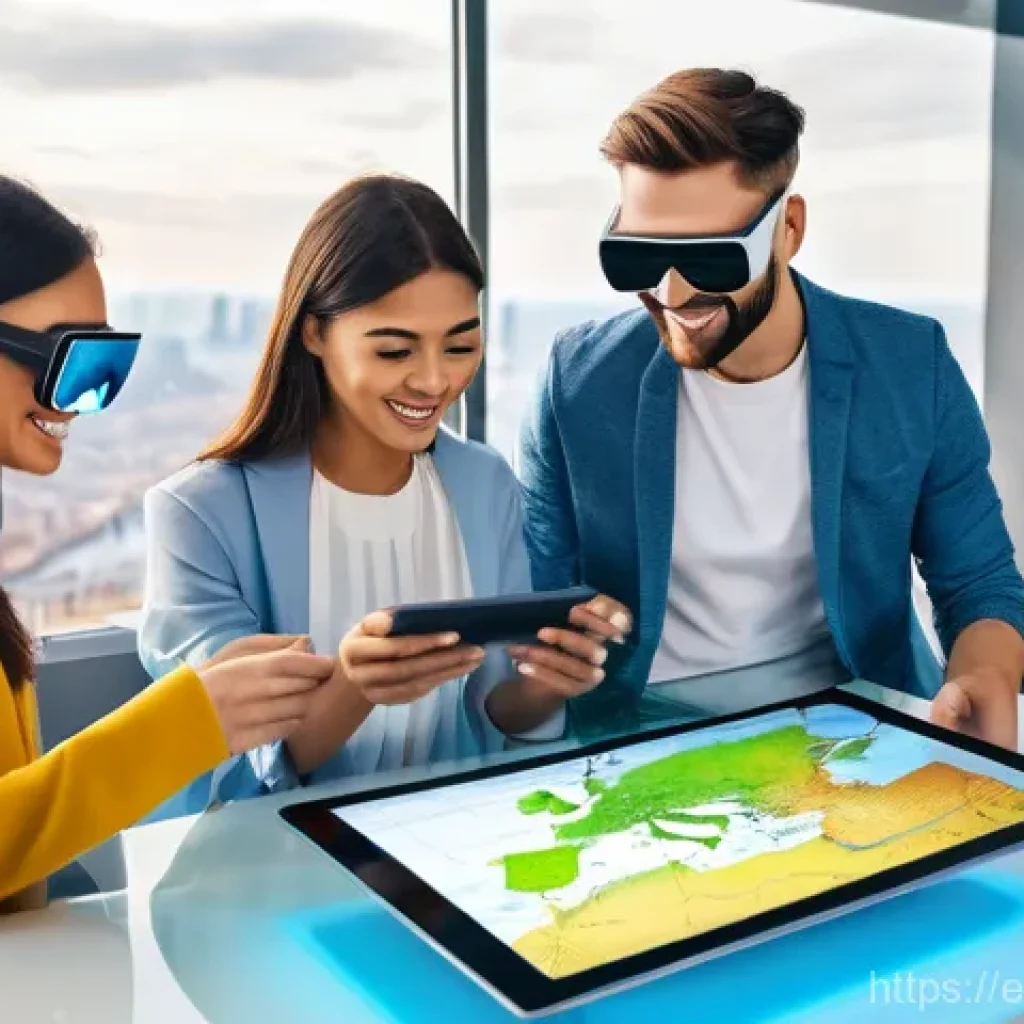
Hey there, fellow travel enthusiasts and future industry leaders! Have you ever paused to think about what truly goes into creating those unforgettable journeys we all dream about?
It’s far more than just booking a flight and a hotel; it’s a meticulously crafted art and science known as tourism management. From the bustling streets of New York City to the serene beaches of Bali, every destination has a dedicated team working behind the scenes to ensure your experience is nothing short of magical.
As someone who has seen the industry evolve firsthand, I can tell you it’s an incredibly dynamic field, constantly adapting to everything from global shifts to the latest tech breakthroughs.
We’re talking about a world where AI-driven personalized recommendations are becoming the norm, and virtual reality lets you explore a destination before you even pack your bags.
But it’s not just about flashy tech; it’s also about deeply meaningful, sustainable travel experiences. Travelers today, myself included, are increasingly seeking out authentic cultural immersions and eco-friendly options, pushing the industry to rethink how we protect our planet and support local communities.
It’s an exciting time, full of both incredible opportunities and unique challenges, like managing the impact of overtourism while keeping that sense of wonder alive.
If you’re curious about how all this comes together and what’s next for our wanderlust-driven world, then you’re in for a treat. Let’s dive deeper into this below and explore the fascinating realm of tourism management.
Hey there, fellow travel enthusiasts and future industry leaders! Have you ever paused to think about what truly goes into creating those unforgettable journeys we all dream about?
It’s far more than just booking a flight and a hotel; it’s a meticulously crafted art and science known as tourism management. From the bustling streets of New York City to the serene beaches of Bali, every destination has a dedicated team working behind the scenes to ensure your experience is nothing short of magical.
As someone who has seen the industry evolve firsthand, I can tell you it’s an incredibly dynamic field, constantly adapting to everything from global shifts to the latest tech breakthroughs.
We’re talking about a world where AI-driven personalized recommendations are becoming the norm, and virtual reality lets you explore a destination before you even pack your bags.
But it’s not just about flashy tech; it’s also about deeply meaningful, sustainable travel experiences. Travelers today, myself included, are increasingly seeking out authentic cultural immersions and eco-friendly options, pushing the industry to rethink how we protect our planet and support local communities.
It’s an exciting time, full of both incredible opportunities and unique challenges, like managing the impact of overtourism while keeping that sense of wonder alive.
If you’re curious about how all this comes together and what’s next for our wanderlust-driven world, then you’re in for a treat. Let’s dive deeper into this below and explore the fascinating realm of tourism management.
The Art of Crafting Unforgettable Journeys

You know, when I first started traveling, it felt like a roll of the dice sometimes. You’d book a trip, show up, and hope for the best. But oh, how things have changed! Today, crafting a truly unforgettable journey is an intricate dance of understanding what each traveler truly desires, and honestly, it’s where tourism management truly shines. It’s all about hyper-personalization, creating experiences that feel like they were made just for you, because, well, often they are! Thanks to advancements in artificial intelligence and data analytics, travel companies can now predict our preferences with surprising accuracy, recommending destinations, activities, and accommodations based on our past searches and behaviors. I’ve personally experienced this when an app suggested a cozy little jazz club in New Orleans after I’d only mentioned my love for live music in a previous survey – talk about feeling seen! This level of tailored recommendation enhances the entire user experience, making planning more intuitive and, dare I say, even more exciting. It’s not just about booking; it’s about inspiring, about knowing that the perfect boutique hotel or the hidden culinary gem is waiting for you, almost before you even knew you wanted it. This focus on personalized digital tourism, especially for younger generations like Millennials and Gen Z who are tech-savvy and seek unique services, is completely reshaping how we explore the world. From AI-powered chatbots offering instant support to virtual reality letting you “try before you buy” a destination, every touchpoint is designed to be seamless and uniquely yours.
Immersive Experiences: Beyond the Brochure
Remember those glossy travel brochures? They were great, but nothing beats actually “being there,” even if it’s just virtually. We’re seeing a huge surge in immersive experiences, powered by technologies like virtual reality (VR) and augmented reality (AR). Imagine taking a virtual stroll through the Louvre or exploring the Iguazu Falls from a helicopter, all from the comfort of your couch, before you commit to the actual trip. This isn’t just a gimmick; it’s a powerful tool that helps us make more informed travel decisions and, for destinations, it’s an incredible way to showcase their charm. I recently used an AR app that translated street signs and menus in real-time during a trip to Berlin, and it was a total game-changer, removing so much of the stress of navigating an unfamiliar city. These technologies aren’t just about entertainment; they’re about redefining how we interact with destinations, offering a new level of engagement and excitement that static images simply can’t.
The Human Touch in a Tech-Driven World
Despite all the incredible tech, it’s easy to worry that the human element might get lost, right? But what I’ve found is that technology, when managed correctly, actually amplifies the human touch. While AI streamlines bookings and offers recommendations, the core of tourism management remains rooted in authentic service and genuine interactions. Think about the AI concierge at a Hilton hotel, “Connie,” powered by IBM Watson, offering restaurant recommendations and hotel amenities. It’s efficient, but it also frees up human staff to handle more complex issues and provide truly personalized care. The most successful tourism operations are those that seamlessly integrate technology to enhance efficiency while ensuring that the warmth, empathy, and problem-solving skills of their teams are always at the forefront. It’s about creating a balance, using innovation to make operations smoother so that people can focus on what they do best: creating memorable moments for travelers.
Navigating the Digital Tides of Travel
It’s no secret that technology has completely reshaped the way we plan, book, and experience our travels. Honestly, it feels like a different world compared to even a decade ago! From the initial spark of an idea to the moment you’re sharing your experiences online, digital tools are integrated into nearly every step of the journey. The impact of technology is truly enormous, and I’ve watched countless travel companies adapt, sometimes painstakingly, to keep up. Online travel agencies and booking platforms have made it incredibly easy to compare prices, read reviews, and make reservations, putting more control directly into our hands as travelers. Smartphones have become indispensable travel companions, offering everything from real-time navigation to translation services, which, let’s be real, is a lifesaver when you’re trying to order coffee in a new country! It’s not just about convenience; it’s about an entirely new ecosystem of “smart tourism” where technology offers personalized experiences and efficiency that were once unimaginable.
AI and Data: Your Personal Travel Concierge
The rise of Artificial Intelligence (AI) and big data is nothing short of revolutionary in the tourism industry. I’ve seen firsthand how AI algorithms analyze massive amounts of data—your past bookings, your search history, your preferences—to create remarkably personalized travel plans and recommendations. It’s like having a super-smart travel agent who knows you better than you know yourself! For businesses, this means they can offer more customized services and expand their customer base by creating detailed customer profiles. Think about dynamic pricing models that adjust in real-time based on demand or AI chatbots providing instant customer support 24/7. This doesn’t just make our lives easier; it helps businesses optimize their operations, save time and money, and even reduce human error. The goal is to provide a seamless, stress-free experience from start to finish, and AI is proving to be incredibly effective at achieving that.
The Social Sphere: Influencers and Inspiration
I can’t talk about digital trends without mentioning the elephant in the room: social media. It has become a dominant force, transforming how we discover destinations and make travel decisions. Platforms like Instagram and TikTok, with their visually stunning content and short-form videos, are practically the new travel brochures. Influencer marketing, in particular, has exploded, with content creators inspiring millions with their authentic travel stories and engaging visuals. I’ve definitely booked trips based on a captivating Instagram Reel I saw! This isn’t just about pretty pictures; it’s about trust and authenticity. When an influencer shares a genuine experience, their followers are more likely to perceive that recommendation as credible, translating into increased bookings and revenue for tourism businesses. For tourism managers, collaborating with influencers means reaching highly segmented audiences and leveraging high-quality content for their own marketing efforts, filling their digital platforms with inspiring images and videos that truly appeal to travelers.
The shift towards visual storytelling and short video content, alongside the growing importance of livestreaming, means that travel businesses need to be savvier than ever about their digital presence. It’s all about creating compelling narratives that resonate deeply with potential travelers, making them feel like they’re already part of the adventure.
Sustainability: The Heartbeat of Modern Tourism
As much as I adore exploring new places, I’ve become increasingly aware of our footprint on this beautiful planet. And I’m not alone! Sustainable tourism isn’t just a buzzword anymore; it’s rapidly becoming the standard, driven by a growing global consciousness about environmental and social impact. Travelers, including myself, are actively seeking out eco-friendly accommodations, supporting local communities, and choosing options that minimize harm to natural resources and cultural heritage. It’s a huge shift from simply visiting a place to actively contributing to its well-being. This involves a multifaceted approach, from carefully managing destinations to diversifying attractions and promoting responsible travel behaviors among visitors. The industry is being pushed to rethink everything, from how we manage overtourism in popular spots to how we protect fragile ecosystems.
Combating Overtourism and Empowering Communities
Overtourism, or the overcrowding of popular destinations, has become a significant challenge, frankly, often diminishing the experience for both visitors and locals alike. I’ve witnessed cities like Venice and Barcelona struggling with overloaded public transport and rising living costs for residents. Effective tourism management is now about balancing growth with sustainability. Strategies include setting capacity limits, redirecting tourism to lesser-known areas, and promoting travel during off-peak seasons. But it’s more than just regulation; it’s about empowering local communities. When communities are actively engaged in planning and managing tourism, it ensures that the benefits are shared equitably and that local cultures and values are respected. I truly believe that community-based tourism, where local members are actively involved, creates a more inclusive and responsible industry, offering unique, personalized experiences that truly connect travelers with the heart and soul of a place.
Eco-Innovations and Responsible Choices
The exciting part is how innovation is fueling sustainable tourism. Technology is playing a crucial role, from digital platforms that track carbon footprints to smart energy management systems in hotels. AI can even provide insights into tourist behavior in natural habitats, helping authorities manage footfall and avoid ecological disruption. I’m seeing more and more apps promoting local experiences and eco-tours, which not only benefit local economies but also help preserve cultural heritage. Choosing eco-friendly accommodations, engaging with local businesses, and understanding the environmental impact of your choices are all becoming easier and more mainstream. This collective effort from travelers, businesses, and governments is shaping a future where travel is not just enjoyable but also deeply responsible and regenerative.
Beyond Borders: Understanding Global Travel Trends
If there’s one thing I’ve learned from years in this industry, it’s that travel trends are constantly shifting, like the sands on a beautiful beach. What’s hot one year might be, well, not so hot the next! Understanding these global shifts in consumer behavior is absolutely vital for anyone involved in tourism management. We’re not just talking about where people are going, but *why* they’re going, and what they expect when they get there. For instance, while leisure travel has bounced back and even surpassed pre-pandemic levels, business travel is still on a gradual recovery path, largely due to the long-term impact of remote work. It makes you realize how interconnected our world is and how quickly external factors can reshape an entire industry.
The Rise of the Conscious and Budget-Savvy Traveler
One of the most prominent trends I’ve noticed lately is how budget-conscious travelers have become. With economic pressures and inflation, people are making smarter spending choices. This means opting for budget-friendly accommodations, shorter trips, and really focusing on value. I’ve found myself looking for those hidden gems that offer incredible experiences without breaking the bank, and many travelers are doing the same. But it’s not just about saving money; it’s also about meaningful experiences. “Passion-driven travel” is a huge thing now – people are willing to pay more for things like attending live music events or sporting spectacles. And it’s not always about faraway lands; domestic escapes are dominating for affordability and convenience.
Generational Shifts and the Quest for Authenticity
Different generations are also driving unique travel patterns. Millennials and Gen Z, for example, are keen on planning trips that enjoy the journey as much as the destination itself, and they love using credit card points for their adventures. They’re also less into solo travel than they used to be, preferring shared experiences with family and friends. And get this – kids are having a stronger voice in planning family vacations, which I think is fantastic! There’s a growing desire for authentic, one-of-a-kind goods as souvenirs, and a strong emphasis on supporting local small businesses. Emerging markets like Eastern Europe, India, and Southeast Asia are also gaining prominence as new source markets, showing a rapid increase in traveler numbers and spending. These shifts mean that tourism offerings need to be incredibly diverse and adaptable, catering to a wide range of preferences and priorities.
Crisis Management: Keeping Travelers Safe and Happy
Let’s be honest, no one wants to think about things going wrong when they’re planning a dream vacation. But in the world of tourism management, anticipating and preparing for the unexpected is absolutely paramount. I’ve seen firsthand how swiftly a crisis, whether it’s a natural disaster, political instability, or even a health emergency, can turn an entire industry upside down. The COVID-19 pandemic, for instance, highlighted just how vulnerable global travel can be and underscored the critical need for robust crisis management strategies. It’s not just about reacting when something happens; it’s about being proactive, having a plan in place long before any storm clouds gather on the horizon.
The Three Pillars of Preparedness
Effective crisis management in tourism really boils down to three key phases: preparedness, response, and recovery. In the pre-crisis phase, it’s all about identifying potential threats, assessing risks, and developing comprehensive emergency plans. This means having dedicated crisis response teams with clear roles, well-defined protocols, and resources in place to handle various scenarios. I’ve always been a believer in the saying “hope for the best, prepare for the worst,” and it couldn’t be more true here. During the crisis, the focus shifts to immediate action. This means swift communication, both internally to staff and externally to travelers, partners, and the public. Transparency and timely information are absolutely crucial for maintaining trust and ensuring everyone’s safety. And then comes the recovery phase, which is often the longest and most challenging. This is where the hard work of rebuilding confidence, addressing concerns, and restoring operations truly begins.
Collaboration and Communication: The Lifelines

What I’ve observed as most vital during any crisis is seamless collaboration among all stakeholders – from local authorities and emergency services to tour operators and hotels. Everyone needs to be on the same page, working together towards a common goal of minimizing impact and ensuring a quick recovery. Communication isn’t just about informing; it’s about reassuring, guiding, and offering alternative solutions to affected travelers. A well-organized crisis management plan should ultimately aim to restore public confidence in the affected destination and the broader tourism industry. It requires flexibility, diversifying tourism offerings to reduce impact on specific regions, and even creating contingency funds for financial stability. Because at the end of the day, our priority is always the safety and well-being of our guests, and effective crisis management is how we deliver on that promise.
The People Powering Your Adventures
Behind every breathtaking view and seamless journey, there’s a dedicated team of professionals working tirelessly. When I think about what truly makes a travel experience exceptional, it almost always comes down to the people I interact with along the way. Tourism and hospitality aren’t just industries; they’re fundamentally about human connection and service. In 2023 alone, this vibrant sector contributed a staggering $9.9 trillion to the global GDP, proving it’s not just a passion-driven field but a major economic powerhouse. It’s a dynamic, fast-paced environment that demands a unique blend of skills and a genuine love for helping people explore the world.
Essential Skills for Travel Maestros
So, what does it take to excel in this exciting field? From my perspective, it’s a mix of both innate qualities and honed abilities. Exceptional customer service is, without a doubt, at the heart of it all. Making guests feel welcome, listening carefully to their needs, and showing empathy – these aren’t just nice-to-haves; they’re essentials. Imagine a front desk manager swiftly resolving a room issue; that kind of attention ensures a memorable, positive experience. Beyond that, cultural awareness and sensitivity are absolutely crucial in our globalized world. Understanding and respecting diverse customs allows us to create truly inclusive and respectful travel experiences. Communication skills, both verbal and interpersonal, are also non-negotiable. Whether you’re explaining an itinerary as a tour operator or coordinating with a diverse team, clarity and professionalism are key. And let’s not forget problem-solving abilities, adaptability, and leadership skills, because in an industry that’s constantly evolving, being able to think on your feet and guide others is incredibly valuable.
Diverse Paths in a World of Wanderlust
The beauty of tourism management is the sheer variety of career paths it offers. It’s not just about hotels or tour guiding, though those are certainly fantastic options! You could find yourself as a hotel manager, overseeing daily operations and ensuring top-notch guest experiences. Or perhaps you’re a natural organizer, drawn to event planning, coordinating everything from corporate conferences to weddings. Travel consultants play a crucial role, providing personalized advice and booking services, turning ordinary trips into extraordinary adventures. Even within marketing, there are roles focused on brand management and digital strategies, ensuring destinations and services stand out in a crowded market. The industry is always looking for professionals with IT proficiency, cross-cultural communication skills, and an updated knowledge of the latest trends, like sustainable tourism. It’s a field where your passion for travel can truly translate into a fulfilling and impactful career, helping others discover the magic of our world.
Unlocking Revenue Streams in the Travel Sphere
Let’s talk brass tacks: for all the passion and wonder that travel evokes, tourism is a business, and a thriving one at that! Ensuring profitability and sustainable growth is a core aspect of tourism management. I’ve spent years watching how businesses innovate to attract more travelers, encourage longer stays, and generate consistent revenue. It’s a fascinating blend of understanding market dynamics, strategic pricing, and, increasingly, leveraging digital tools to their fullest potential. From optimizing booking channels to crafting compelling marketing campaigns, every decision can impact the bottom line.
The Power of Persuasion: Influencer Marketing & Storytelling
In today’s digital landscape, influencer marketing has become a game-changer for driving revenue. Seriously, I’ve seen it transform businesses! Unlike traditional advertising, which can feel a bit… corporate, influencers bring authenticity and relatability. When a trusted voice shares their genuine experience of a destination or a hotel, it resonates deeply with their audience, often translating into increased bookings. Platforms like Instagram and TikTok, with their visually rich content and short-form videos, are perfect for showcasing the magic of travel. For tourism managers, this means strategically collaborating with influencers whose audiences align with their offerings, leveraging their storytelling prowess to create captivating campaigns. It’s not just about flashy posts; it’s about crafting narratives that inspire wanderlust and drive direct sales. I’ve personally advised clients on how to find the perfect fit, ensuring that the influencer’s voice genuinely reflects the brand’s values, and the results have been phenomenal.
Dynamic Pricing and Direct Bookings: Maximizing Every Opportunity
Beyond the glamour of influencer campaigns, core business strategies are constantly evolving. Dynamic pricing, for instance, is a critical tool. AI algorithms analyze vast amounts of data – demand, seasonality, competitor rates, and even user behavior – to adjust prices in real-time. This helps maximize revenue while keeping rates competitive, a delicate balance that modern tourism managers must master. Encouraging direct bookings is another key focus. While online travel agencies (OTAs) offer broad reach, direct bookings often yield higher profit margins. This means investing in user-friendly websites, offering exclusive perks for direct bookers, and ensuring a seamless booking experience. It’s all about making it as easy and appealing as possible for travelers to book directly with you. Loyalty programs also play a huge role in fostering repeat business, turning one-time visitors into lifelong advocates who return again and again. It’s a comprehensive approach that ensures every possible revenue stream is optimized.
Understanding these elements is critical for any tourism business looking to thrive. It’s about being smart, adaptable, and always having an eye on both the bigger picture and the smallest detail.
| Aspect of Tourism Management | Key Trends and Innovations | Impact on Travelers & Businesses |
|---|---|---|
| Personalization & Experience Design | AI-driven recommendations, VR/AR immersive experiences, tailored itineraries | Enhanced satisfaction, intuitive planning, unique memories, increased bookings, customer loyalty |
| Technology Integration | Smartphones, AI chatbots, online booking platforms, data analytics | Convenience, efficiency, real-time information, streamlined operations, cost savings |
| Sustainable Practices | Eco-friendly accommodations, community-based tourism, overtourism solutions | Reduced environmental impact, supported local economies, authentic cultural exchange, responsible travel choices |
| Global Market Shifts | Budget-conscious travel, passion-driven journeys, emerging markets, generational preferences | Diversified offerings, targeted marketing, new source markets, adaptable services |
| Crisis & Risk Management | Preparedness planning, real-time communication, stakeholder collaboration, recovery strategies | Increased safety, restored confidence, minimized economic impacts, business resilience |
| Human Capital Development | Customer service, cultural awareness, problem-solving, leadership skills | Exceptional guest experiences, efficient operations, skilled workforce, career growth opportunities |
| Monetization & Marketing | Influencer marketing, dynamic pricing, direct booking incentives, content creation | Increased brand awareness, higher conversion rates, optimized revenue, targeted audience reach |
The Ever-Evolving Landscape of Global Travel
When I reflect on my own journey in the travel world, what strikes me most is the constant state of flux. It’s a living, breathing entity that refuses to stand still, always adapting, always innovating. Tourism management isn’t a static textbook; it’s a dynamic puzzle with new pieces emerging all the time. The shifts we’ve witnessed, from the intricate dance of personalized recommendations driven by AI to the profound ethical considerations of sustainable travel, highlight an industry that’s maturing and becoming more conscious. I’ve seen destinations transform themselves, not just to attract more visitors, but to offer richer, more meaningful interactions that benefit everyone involved. It’s a beautiful thing to be part of, honestly.
Responding to the World’s Rhythms
The global tourism industry has become incredibly responsive to the world around it. Economic shifts mean we see travelers making smarter spending decisions, often opting for domestic trips or seeking out experiences that offer immense value. Geopolitical events or health crises, as we’ve experienced all too recently, demand immediate, strategic responses built on transparency and collaboration. It’s about resilience, about building an industry that can withstand shocks and bounce back stronger. I’ve always admired the adaptability of the people in this field, their ability to pivot and innovate even in the face of immense challenges. This constant adaptation means that tourism management professionals are always learning, always growing, and always finding new ways to make travel accessible and enjoyable for everyone.
The Future is in Our Hands
Looking ahead, the future of tourism management feels incredibly exciting, yet filled with responsibility. It’s a collective endeavor, requiring collaboration between governments, businesses, and us, the travelers. We have the power to shape an industry that not only creates incredible memories but also respects our planet and supports local communities. The trends we’re seeing – from the ethical implications of overtourism to the imperative of community engagement – aren’t just passing fads; they’re fundamental shifts that will define travel for generations to come. I’m a firm believer that by embracing innovation, prioritizing sustainability, and fostering genuine human connections, we can ensure that the magic of travel continues to thrive, offering unforgettable adventures while leaving a positive legacy wherever our wanderlust takes us.
Wrapping Things Up
And there you have it, folks! What a journey we’ve taken through the incredible world of tourism management. It’s truly a field that combines passion, innovation, and a deep understanding of human desires. From the cutting-edge tech that customizes our adventures to the heartfelt commitment to preserving our planet and cultures, it’s clear that the future of travel is not just bright, but also deeply responsible. I truly hope this dive into the behind-the-scenes magic has sparked some inspiration, whether you’re planning your next big trip or dreaming of a career in this dynamic industry. Keep exploring, keep questioning, and always travel with an open heart!
Helpful Tips for Your Next Adventure
1. Leverage AI for Personalized Planning: Don’t shy away from using AI-powered apps and websites! They can be your best friend for discovering hidden gems, getting tailored recommendations based on your preferences, and even snagging personalized deals. I’ve found that spending a little time setting up your profile on these platforms can save you hours of research and lead to truly unique experiences you might never have found otherwise. It’s like having a super-smart travel agent in your pocket, constantly learning what makes your perfect trip.
2. Prioritize Sustainable Choices: When booking, look for accommodations and tour operators that actively promote eco-friendly practices, support local economies, and respect cultural heritage. A quick search for “sustainable hotels” or “eco-tours” in your destination can make a huge difference. Every small choice, from reducing plastic use to opting for local transport, contributes to protecting the beautiful places we love to visit for future generations. It’s about being a responsible global citizen, making sure our wanderlust doesn’t come at the expense of the places we explore.
3. Embrace Local Experiences: Step off the beaten path and immerse yourself in the local culture. Engage with local businesses, try authentic cuisine, and seek out community-based tours. Not only does this enrich your travel experience with genuine connections and unique insights, but it also directly supports the people and businesses that make a destination special. I’ve had some of my most memorable moments simply by chatting with local vendors or joining a small, family-run cooking class – those are the stories you’ll tell for years!
4. Stay Informed and Flexible: In our ever-changing world, staying updated on travel advisories, local regulations, and global trends is crucial. Sign up for airline alerts, check government travel guidance, and consider travel insurance. Being flexible with your plans, especially in uncertain times, can also alleviate stress. Having a backup plan or being open to adjusting your itinerary means you can navigate unexpected situations with a lot more ease and still make the most of your trip, no matter what pops up.
5. Cultivate Cultural Awareness: Before you go, take a moment to learn about the customs, traditions, and etiquette of your destination. A little bit of research can go a long way in showing respect and avoiding misunderstandings. Understanding basic phrases in the local language, even just “hello” and “thank you,” can open doors and create warmer interactions. It’s about being an appreciative guest, not just a tourist, and truly connecting with the spirit of the place you’re visiting.
Key Takeaways
The tourism industry is currently a fascinating blend of cutting-edge technology and a renewed focus on human connection. We’re seeing a significant push towards hyper-personalized experiences, driven by AI and data analytics, ensuring every traveler feels uniquely catered to. Simultaneously, there’s an undeniable, urgent demand for sustainable tourism practices, from combating overtourism to empowering local communities and embracing eco-innovations. Travelers are more budget-conscious but also more eager for authentic, passion-driven journeys, often influenced by the dynamic world of social media and content creators. Underlying all of this is the critical need for robust crisis management strategies, ensuring safety and trust in an unpredictable world, alongside a vibrant workforce equipped with crucial skills like cultural awareness and problem-solving. Ultimately, tourism management is about balancing profitability with responsibility, creating unforgettable experiences that benefit both visitors and the destinations they cherish.
Frequently Asked Questions (FAQ) 📖
Q: What exactly is tourism management, and why is it more crucial than ever in today’s incredibly dynamic travel landscape?
A: Oh, that’s a fantastic question, and one I get asked a lot! For me, tourism management isn’t just a fancy term; it’s the beating heart of the entire travel industry.
Think of it as the grand conductor of an orchestra, meticulously coordinating every single element – from designing jaw-dropping experiences and promoting destinations to ensuring smooth operations and, crucially, making sure we’re traveling responsibly.
In simpler terms, it’s about making sure your dream vacation actually happens, and that it’s enjoyable, safe, and sustainable. What makes it so incredibly vital right now is the sheer pace of change we’re witnessing.
Travelers, myself included, are no longer content with just a pretty view. We’re looking for authentic connections, unique stories, and a genuine sense of purpose.
This means tourism managers are constantly navigating new technologies like AI-driven personalization, grappling with the urgent need for sustainability, and delicately balancing economic benefits with the well-being of local communities.
It’s a huge balancing act, and without skilled hands at the helm, our favorite destinations could quickly lose their magic. From my own experiences observing destinations thrive or falter, it’s clear that thoughtful, proactive management is the non-negotiable ingredient for long-term success.
Q: With all the buzz around artificial intelligence and virtual reality, how are these cutting-edge technologies actually reshaping the way we experience travel, and what does that mean for destinations and us, the travelers?
A: This is where things get really exciting, isn’t it? As someone who’s seen the industry evolve from paper maps to predictive analytics, I can tell you AI and VR aren’t just futuristic gadgets; they’re fundamentally transforming how we dream, plan, and even embark on our journeys.
On the planning side, AI is like having a super-smart travel agent who knows your preferences better than you do, curating personalized itineraries, suggesting off-the-beaten-path gems, and even predicting flight prices with uncanny accuracy.
I’ve personally used AI tools to discover local eateries I would have totally missed otherwise – it’s a game-changer for authentic experiences! Then there’s VR, which is pure magic.
Imagine virtually strolling through the Colosseum or diving into the Great Barrier Reef from your living room before you even book a ticket. It’s an incredible way to inspire travel, manage expectations, and even help people with limited mobility explore the world.
For destinations, these technologies offer unprecedented ways to market themselves, understand visitor flows, and even manage resources more efficiently.
It’s all about making travel more accessible, more personalized, and, honestly, a whole lot more exciting. It feels like we’re just scratching the surface of what’s possible, and I’m genuinely thrilled to see what innovations come next!
Q: Overtourism and the push for sustainability are huge concerns today. How can tourism management effectively balance economic growth with protecting our planet and the unique character of local communities?
A: Ah, the million-dollar question! This is truly one of the most pressing challenges, and honestly, it keeps many in the industry, myself included, awake at night.
We all want to explore, but none of us want to be part of the problem. Effective tourism management holds the key to this delicate balance. It’s not about stopping travel; it’s about smart, responsible travel.
For me, it starts with strategic planning at the destination level. This means consciously developing and promoting diverse attractions, not just concentrating all visitors in one famous spot.
Think about encouraging off-peak travel or highlighting lesser-known, equally stunning areas to spread out the impact. It also involves working hand-in-hand with local communities, ensuring they directly benefit from tourism through local employment and sourcing local goods and services.
I’ve seen firsthand how initiatives like supporting local craftspeople or eco-lodges can truly empower a community while preserving its culture. Furthermore, education is paramount – both for operators and travelers.
It’s about setting clear guidelines for responsible behavior, investing in eco-friendly infrastructure, and often, it means making tough decisions about visitor caps or restricted access to fragile environments.
It’s a continuous effort, a marathon, not a sprint, but I firmly believe that by embracing these principles, we can secure a vibrant future for both travel and our precious planet.