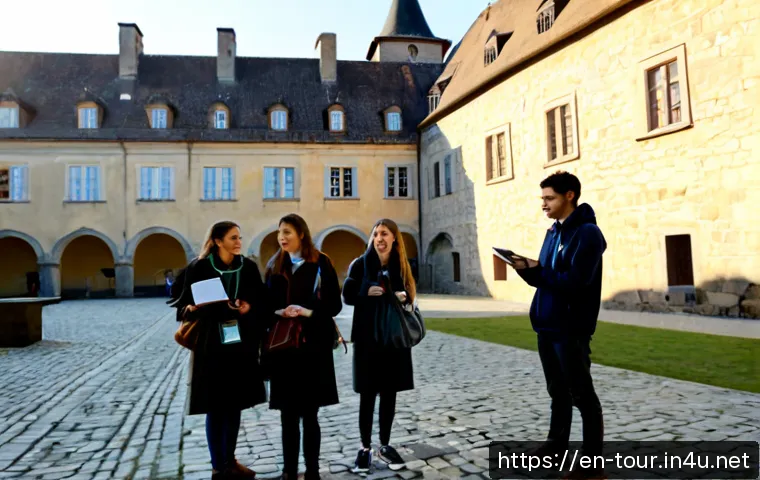
Tourism studies and cultural heritage connect visitor experiences with conservation, interpretation, and local economic value. Compare program focus, practical training, costs, and career pathways before choosing.

Tourism and cultural heritage studies can lead to work in visitor services, destination management, museums, guided experiences, and community-based tourism, but the best learning route depends on your goal.
A university degree suits people seeking broad long-term foundations, while certificates and practical training can be better for focused career changes or business needs.
Before paying tuition or a course deposit, compare practical placement opportunities, instructor experience, local partnerships, and the full cost beyond advertised fees.
Heritage-focused education is most useful when it connects preservation knowledge with real visitor communication and responsible tourism planning. There is no single required qualification for every heritage tourism role.
Hiring expectations, licenses, and site-access requirements can vary by country, employer, and destination. A strong program should explain what you will learn, how you will apply it, and what support is available for internships or professional development.
The right choice is usually the one that matches your target role rather than the program with the broadest marketing claims.
At a Glance
- Choose a tourism degree if you want broad knowledge in management, research, destination planning, and longer-term career flexibility.
- Choose a certificate or short course if you need a specific skill, such as heritage interpretation, digital tourism, or tour-product development.
- Prioritize supervised practical experience because fieldwork, internships, and credible local partnerships can make course learning more relevant.
| Learning Route | Best For | Main Cost Factors | Practical Experience to Check | Typical Outcome |
|---|---|---|---|---|
| University tourism or heritage degree | Students seeking a broad career foundation | Tuition, housing, travel, materials, study-abroad expenses | Internships, destination projects, research, field visits | Preparation for tourism management, heritage planning, marketing, or further study |
| Certificate or short course | Career changers and working professionals | Course fees, software, travel, assessment costs | Case studies, guided exercises, portfolio work, site-based training | A targeted skill for a specific tourism or heritage role |
| Field school, internship, or volunteer placement | People who need hands-on exposure | Travel, accommodation, insurance, equipment, placement fees | Named supervisor, clear tasks, feedback, safety and access arrangements | Practical context, contacts, and evidence of applied work |
| Guided-tour or operator training | Guides and small tourism businesses | Training, local permits where applicable, equipment, marketing tools | Interpretation practice, route planning, accessibility, visitor management | More responsible heritage experiences and clearer product delivery |
What Tourism and Cultural Heritage Studies Can Prepare You to Do
The Connection Between Visitor Experience, Preservation, and Local Communities
Tourism and cultural heritage studies examine how people visit, understand, and value places with historical, cultural, natural, or community significance. The work is not simply about attracting more visitors. It also involves protecting site meaning, managing visitor behavior, and respecting local communities.
A well-designed heritage experience can help visitors understand why a place matters. At the same time, poor interpretation or weak planning can create pressure on fragile sites, disrupt residents, or reduce culture to a simple photo opportunity. Programs that address both visitor experience and preservation are usually more useful than courses focused only on promotion.
Common Career Paths in Heritage Tourism and Destination Management
Possible paths include tourism coordinator, destination marketing assistant, museum or visitor-center staff member, heritage interpreter, tour designer, community engagement coordinator, content manager, and project support worker. Some roles involve public-facing storytelling, while others focus on planning, partnerships, bookings, research, or visitor data.
Requirements vary. A museum, tour company, local authority, conservation organization, or destination management organization may value different qualifications. Do not assume that one tourism credential automatically qualifies you for every heritage role. Check job descriptions and local professional requirements before choosing a program.
Three Quick Takeaways Before Choosing a Learning Route
- Decide whether you need a broad academic qualification or one practical, job-relevant skill.
- Look for evidence of fieldwork, industry projects, or placement support rather than vague promises of “real-world learning.”
- Match the course to the type of heritage work you want: interpretation, conservation awareness, digital tourism, destination marketing, or tour operations.
Compare Degree Programs, Certificates, and Practical Heritage Training
University Tourism Degrees: Breadth, Research, and Long-Term Career Options
A tourism degree can provide a wider view of destination management, visitor behavior, marketing, sustainability, events, policy, and research methods. A heritage-focused pathway may add interpretation, cultural landscapes, museum tourism, or conservation-related topics.
This route may suit prospective students who want time to build a foundation and explore several job directions. However, course titles can be misleading. Review the actual module list, assessment methods, and placement structure. A degree with no opportunity to work with real destinations or heritage organizations may not fit a practical career goal.
Certificates and Short Courses: Focused Skills for Faster Entry
A certificate can be useful when you already have transferable experience in hospitality, education, marketing, design, history, customer service, or local business. Short training may help you develop a focused skill without committing to a full degree program.
Useful subjects can include heritage interpretation, visitor experience design, sustainable tourism planning, digital booking systems, content management, or accessible tour design. Ask what you will produce by the end of the course. A portfolio item, route plan, interpretation script, or digital project can be easier to explain to an employer than a generic completion certificate.
Field Schools, Internships, and Volunteer Placements: How to Assess Real Value
Practical experience can be valuable, but the word “placement” does not guarantee quality. Look for a named supervisor, defined tasks, feedback, realistic working conditions, and clarity about site access. If travel is required, confirm who is responsible for accommodation, transport, equipment, and insurance.
For heritage sites, access rules may change locally. Visitor limits, commercial photography permissions, and work areas can be restricted. Get the current conditions in writing, especially when a program advertises site-based learning as a major reason to enroll.
Comparison Table: Duration, Cost Factors, Practical Experience, and Typical Outcomes
The best comparison is not based on duration alone. A shorter course may be more relevant if it builds the exact capability you need, while a degree may offer stronger foundations for roles involving management, research, or progression to further education. Compare course structure, placement support, and total cost before making a commitment.
Skills That Matter in Heritage Tourism Work
Heritage Interpretation and Visitor Storytelling
Interpretation means helping visitors understand a place beyond a list of dates or objects. Strong storytelling is accurate, clear, respectful, and adapted to the audience. It may include route planning, object labels, guided-tour scripts, visitor-center content, or digital audio and video materials.
A practical course should show how interpretation can include multiple perspectives without oversimplifying sensitive history. It should also teach you to distinguish engaging storytelling from unsupported claims.
Sustainable Tourism Planning and Community Engagement
Heritage tourism affects residents, small businesses, public spaces, and cultural practices. Sustainable planning considers visitor flow, local benefit, transport, accessibility, seasonality, and the capacity of the site or community.
Look for training that treats local people as partners rather than background scenery. For destination organizations and tour operators, community engagement and transparent partnerships are often central to responsible product development.
Digital Skills: Booking Platforms, GIS Basics, Virtual Tours, and Content Management

Digital skills can strengthen a tourism profile because many visitor journeys begin online. Depending on the role, helpful areas may include booking platforms, content management systems, basic mapping or GIS, virtual-tour tools, photography workflows, and online visitor information.
You do not need every tool. Choose training that fits your intended work. A future guide may benefit from route mapping and booking management, while a destination marketing role may place more value on content planning and visitor communication.
Languages, Accessibility, and Cross-Cultural Communication
Clear communication matters in every tourism role. Language ability can be useful in visitor-facing settings, but so can plain language, inclusive design, and awareness of different cultural expectations. Accessibility is not an optional extra; it affects whether more people can understand and enjoy a heritage experience.
Cost, Quality, and Risk Checks Before You Enroll or Book Training
Looking Beyond Tuition
Tuition is only one part of the decision. Your total study cost may include accommodation, transport, visa-related expenses where relevant, equipment, software, field trips, insurance, and placement travel. Study-abroad options can add valuable cultural experience, but they may also require more planning and a larger overall budget.
Ask for a clear list of compulsory and optional costs. If the answer is vague, treat that as a reason to investigate further before paying an application fee or deposit.
Questions to Ask About Accreditation, Instructors, Site Access, and Assessment
- What is the current accreditation or recognition status, if relevant in the country where you plan to work?
- Who teaches the course, and what current tourism, heritage, or destination experience do they bring?
- Is fieldwork guaranteed, optional, competitive, or dependent on local access conditions?
- How is learning assessed: exams, projects, guided practice, research, or a professional portfolio?
- What career guidance, internship support, or industry partnership is available?
Avoiding Programs That Promise Careers Without Transparent Outcomes
Be cautious when a provider guarantees employment, gives unclear details about teaching staff, or uses general career claims without explaining what graduates actually learn. Salary levels, hiring demand, and licensing requirements vary by employer and location, so responsible providers should avoid presenting one path as certain.
Transparency is a quality signal. A credible program should make its course content, costs, schedule, assessment, and practical arrangements easy to review.
Choosing a Path for Your Goal
For Prospective Students Seeking a Full Tourism or Heritage Career
A degree may be the stronger option if you want broad management knowledge, research skills, and flexibility across tourism sectors. Give extra weight to programs that combine classroom learning with destination projects, internships, and opportunities to understand cultural heritage in context.
For Working Professionals Moving Into Museums, Tours, or Destination Marketing
A targeted certificate or short course may be more efficient if you already have relevant experience. Select one gap to address first: interpretation, visitor services, digital content, sustainable tourism, or tour-product design. Then look for a course that produces practical work you can show in an interview or proposal.
For Small Tour Operators Improving Heritage Products Responsibly
Business owners may benefit most from training in interpretation, visitor safety, accessible communication, local partnership building, digital booking, and responsible marketing. Before promoting a heritage experience, confirm local access rules and permissions. A compelling tour should not depend on claims that cannot be verified or activities that place pressure on a sensitive site.
Selection Criteria and Comparison Summary
Choose a degree when you need broad management and research foundations. Choose a certificate when you need a targeted, job-relevant capability. In either case, prioritize supervised fieldwork, transparent total costs, current course details, and credible local partnerships.
Before you apply, compare the course structure, the practical placement model, instructor background, assessment style, and all expected expenses. Check whether the program supports your specific goal rather than relying on a broad tourism label. For official entry requirements, current fees, site-access conditions, and placement details, review the provider’s current course information directly.
Closing Thoughts
Tourism studies and cultural heritage education can be a practical investment when the learning route matches the work you want to do. The strongest option is rarely the most heavily advertised one. It is the program that gives you relevant skills, realistic practical exposure, and clear information about cost and outcomes. Take time to compare details before committing your time or money.
Useful Information to Keep in Mind
Heritage work is multidisciplinary. Skills from education, marketing, hospitality, history, design, technology, and community development can all be relevant. A focused portfolio and a clear explanation of your transferable experience may be valuable alongside formal study.
Important Notes
Tuition, scholarships, accreditation, course modules, employment demand, salary levels, licensing, and heritage-site rules vary by institution, employer, country, and destination. Always verify current requirements with the education provider, local authorities, and prospective employers before enrolling or advertising a heritage tourism service.
Frequently Asked Questions
Q1. Is a tourism degree worth it for a career in cultural heritage?
A1. It can be worthwhile if you want broad preparation in tourism management, destination planning, research, and visitor experience. It may be less efficient if you only need one specialized skill. Compare the degree’s heritage content, practical placement options, and career support with a targeted certificate before deciding.
Q2. What should I compare when choosing a heritage tourism course or certificate?
A2. Compare course structure, instructor experience, assessment methods, fieldwork, placement support, total cost, and the relevance of the skills to your target role. Also confirm whether site access, professional recognition, or local licensing requirements apply where you intend to work.
Q3. Do cultural heritage tourism jobs require fieldwork or professional qualifications?
A3. Requirements vary by role and location. Some jobs may value hands-on site experience, while others focus more on communication, marketing, administration, or digital skills. Professional qualifications or licenses may be required in certain guiding or regulated roles, so check current local requirements before choosing training.