A robot tour guide is worth evaluating when your venue needs repeatable directions, multilingual information, or consistent coverage for routine visitor questions.
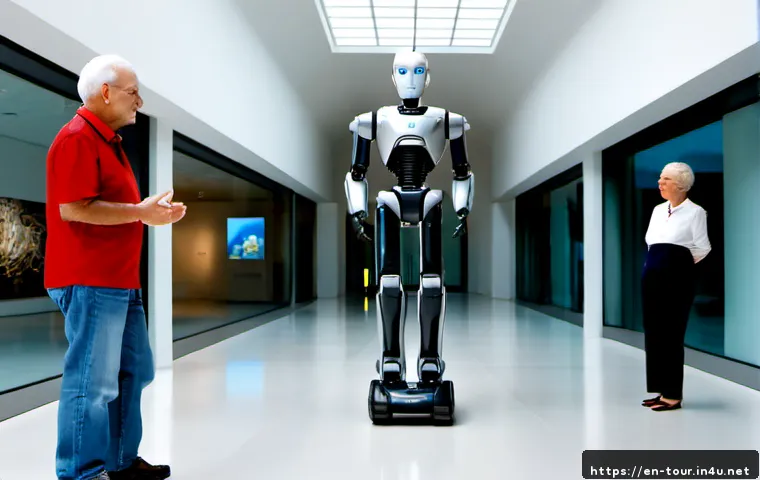
It is not a replacement for human guides when visitors need nuanced storytelling, flexible problem-solving, or personal assistance. For museums, hotels, airports, and large attractions, the best choice depends on the visitor journey rather than the novelty of the device.
Compare purchase, leasing, and pilot options using total deployment needs, not hardware price alone. A short, supervised pilot can help a venue test routes, content, connectivity, and staff workflows before a larger commitment.
At a Glance
- A robot guide is most useful for repeatable greetings, wayfinding, scripted information, and multilingual visitor support.
- Human guides remain the stronger choice for emotional storytelling, complex questions, and changing group needs.
- Compare hardware, setup, content updates, network needs, maintenance, and staff supervision before choosing a deployment model.
| Decision Factor | Robot Tour Guide | Human Guide | Self-Guided Mobile App |
|---|---|---|---|
| Information delivery | Consistent scripted content | Flexible and conversational | Visitor-led and on-demand |
| Language coverage | Can support configured languages | Depends on available staff | Can offer multiple configured languages |
| Visitor interaction | Best for routine questions and directions | Best for personal attention and complex needs | Limited without staff assistance |
| Operational needs | Charging, monitoring, maintenance, connectivity | Scheduling, training, staffing coverage | Content management and visitor device access |
When a Robot Guide Makes Sense for Visitor Experiences
The Fastest Answer: Best Use Cases and Poor-Fit Situations
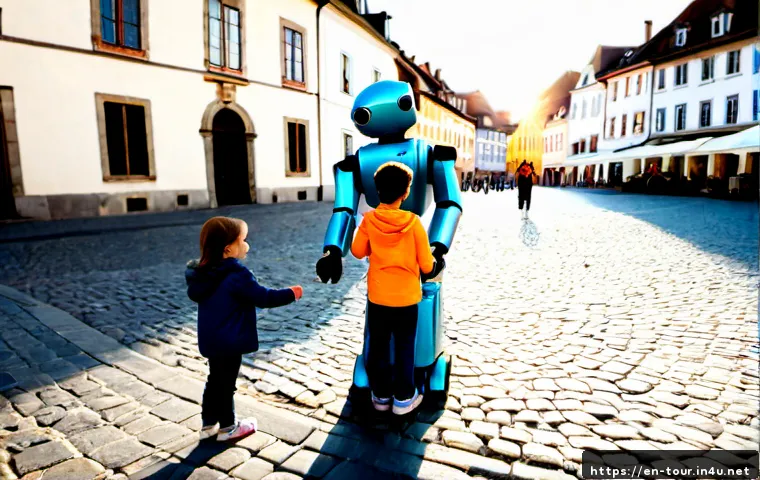
A robot tour guide can make sense where visitors repeatedly ask the same questions: “Where is the entrance?”, “How do I reach this exhibit?”, or “What happens next?” It can provide a visible welcome point, follow a mapped route, and deliver prepared information consistently. It may be a poor fit for uneven outdoor areas, unpredictable crowd movement, or venues where every visit depends on a deeply personal guide relationship.
What Robots Can Realistically Handle
Service robots can support greetings, basic wayfinding, scripted tours, frequently asked questions, and selected local recommendations. The useful question is not whether a robot can “do everything.” It is whether it can reliably handle a defined part of the visitor journey. Clear content boundaries reduce confusion for visitors and make staff escalation easier.
Where Human Guides Still Deliver More Value
Human guides are usually better at reading a group, answering unexpected questions, supporting anxious visitors, and adapting stories to age, interest, or accessibility needs. They can also respond when a route changes, an exhibit closes, or a visitor needs immediate help. A robot works best as a support layer, not as an automatic substitute for skilled hospitality staff.
Robot Guide vs. Human Guide vs. Mobile App
Compare Consistency, Language Support, Personalization, and Accessibility
A robot delivers the same approved message each time, which can help venues control exhibit descriptions and directions. A mobile app offers self-paced access, while a human can personalize the experience in real time. Check whether the system’s interface, spoken content, route design, and handoff process work for visitors with different mobility, hearing, vision, or language needs.
Compare Staffing Coverage, Operating Hours, and Supervision Needs
A robotic guide may extend routine coverage during busy periods, but it still needs operational ownership. Someone must monitor performance, manage charging routines, update content, and respond when the system cannot answer a question. Do not compare a robot only with one staff role; compare it with the full service workflow it is expected to support.
Use a Decision Table Before Requesting Vendor Quotes
Before comparing enterprise service robot proposals, list your priority tasks, expected visitor routes, indoor or outdoor conditions, language needs, and available staff supervision. This gives vendors a clearer brief and helps prevent comparisons based only on appearance or device features.
Budgeting for a Robotic Guide System
Purchase, Lease, and Pilot-Program Models
A purchase may suit venues with a long-term automation plan and internal capacity to manage the system. Leasing can be easier to evaluate when flexibility and ongoing support matter. A limited pilot program can be useful when the venue needs to test real visitor behavior before committing to a wider deployment. Exact costs and contract terms vary by vendor, region, and project scope.
Costs Beyond Hardware
The device price is only one part of total ownership. Ask about mapping, installation, Wi-Fi reliability, content production, software access, maintenance, replacement procedures, staff training, and support coverage. Integration with visitor-information systems may also require separate planning. A low initial quote may not include the operational services your venue actually needs.
Questions to Ask Before Comparing Proposals and Service Contracts
Ask what is included in setup, how content updates are managed, who handles downtime, and what support is available during operating hours. Confirm whether the robot needs a dedicated charging location, which routes it can use, and what happens if connectivity is interrupted. Request clear explanations rather than assuming these details are included.
Deployment Steps and Common Operational Mistakes
Test Visitor Routes, Charging Routines, and Network Reliability
Test the actual routes visitors use, including queues, narrow turns, elevators, temporary signs, and busy entry points. A route that looks simple on a floor plan may behave differently during peak attendance. Plan a charging routine that does not interrupt the moments when visitors most need assistance.
Design Clear Scripts and Escalation Paths for Difficult Questions

Keep robot scripts short and practical. Give visitors a clear option to reach a staff member when the question involves accessibility help, lost property, complaints, emergencies, or a request outside the robot’s content. A visible human escalation path protects the visitor experience.
Plan for Accessibility, Privacy Notices, Crowd Flow, and Manual Override
Review local requirements and venue policies before deployment. If the system uses cameras, microphones, or visitor data, provide appropriate privacy information and confirm how data is handled. Check crowd-flow risks, staff override controls, and procedures for taking the robot out of service safely when needed.
Choosing by Venue Type and Visitor Needs
Museums and Galleries: Exhibit Storytelling and Repeatable Routes
Museums may use a robotic guide for introductory tours, gallery directions, or repeatable exhibit facts. Human educators may be more valuable for interpretive discussions, school groups, and specialized tours. Content should be easy to update when exhibitions change.
Hotels and Resorts: Lobby Guidance and Local Recommendations
Hotels can evaluate robots for lobby greetings, property directions, and prepared local information. The experience should complement the front desk rather than create a barrier for guests who prefer direct assistance. Consider how the robot directs guests after check-in and how it handles questions it cannot answer.
Airports, Convention Centers, and Large Attractions: Wayfinding at Scale
Large venues may benefit most from structured wayfinding. A robot can direct visitors toward halls, gates, amenities, or event zones where routes are clearly defined. These environments also require careful testing because crowd levels, temporary layouts, and security procedures can change.
Selection Criteria and Comparison Summary
Choose a system by checking route suitability, language options, accessibility support, content-management tools, connectivity needs, staff supervision, and vendor maintenance response. Confirm whether the robot’s mobility and sensors are appropriate for your actual floor conditions and visitor volume. Compare purchase, lease, and pilot terms using the complete service scope rather than device cost alone. Request a demo or compare deployment options after defining the visitor tasks you want the system to handle. Official product pages and vendor proposals should be reviewed for current capabilities and detailed conditions.
Final Thoughts
A robot guide can improve a defined part of the visitor experience when its role is practical and well planned. It is strongest at repeatable information, visible wayfinding, and prepared multilingual support. Human staff remain essential for judgment, empathy, safety-sensitive situations, and complex visitor needs. A limited pilot is often the clearest way to test whether the technology fits the venue.
Useful Things to Know
1. Start with one visitor problem, not a broad automation goal.
2. Build a staff handoff process before launch.
3. Treat content updates as an ongoing task.
4. Test during real operating conditions, not only in an empty venue.
5. Review privacy, accessibility, insurance, and safety requirements locally.
Important Considerations
Actual purchase, leasing, maintenance, integration, and support costs must be confirmed with individual providers. A robot’s safe operation depends on the venue layout, crowd conditions, outdoor exposure, network reliability, and local requirements. Visitor satisfaction, staffing impact, and return on investment cannot be assumed and should be evaluated for each property.
Frequently Asked Questions
Q1. How much does a robot tour guide cost for a museum or attraction?
A1. Costs vary by vendor, region, hardware configuration, deployment model, support scope, and integration needs. Ask for a proposal that separates device costs from mapping, setup, software, maintenance, content updates, training, and ongoing support.
Q2. Are robot guides safe to use around children, seniors, and crowded visitor areas?
A2. Safety depends on the specific robot, the venue, route design, crowd conditions, supervision, and local requirements. Test the system in realistic conditions, establish staff override procedures, and review accessibility and privacy considerations before deployment.
Q3. Is a robot guide better than hiring a human tour guide?
A3. Not in every situation. A robot may help with repeatable directions and scripted information, while a human guide is generally better for personalized service, complex questions, changing conditions, and meaningful storytelling. Many venues may find the best result comes from using both in clearly defined roles.