
As travel rebounds worldwide, more explorers are seeking meaningful experiences that respect both nature and local communities. Sustainable tourism isn’t just a buzzword—it’s becoming the heart of how we journey today and tomorrow.

From eco-friendly accommodations to cultural preservation efforts, this shift is transforming the way we connect with destinations. If you’re curious about how your next trip can make a positive impact while still being unforgettable, you’re in the right place.
Let’s dive into how sustainable travel is reshaping global adventures for the better.
Embracing Eco-Friendly Stays: More Than Just a Place to Sleep
Why Choosing Green Accommodations Matters
When you book a hotel or a guesthouse, it’s easy to overlook the environmental footprint of your stay. But green accommodations go beyond just offering a roof—they actively reduce energy use, manage waste responsibly, and conserve water.
Personally, I once stayed at a small eco-lodge in Costa Rica that used solar panels for power and composted food scraps. It felt good knowing my presence didn’t add unnecessary strain on the local ecosystem.
Plus, many of these places support reforestation or wildlife protection, which is a bonus for nature lovers like me.
Spotting Truly Sustainable Lodgings
Not every place claiming to be eco-friendly lives up to the hype. Look for certifications like LEED, Green Key, or EarthCheck, which verify genuine environmental efforts.
Also, check if the property sources food locally or employs community members. During my travels in New Zealand, I found that eco-friendly lodges often provide detailed info about their sustainability practices, making it easier to trust their claims.
It’s worth reading guest reviews and asking questions before booking—your curiosity can encourage better transparency in the industry.
How Your Stay Can Boost Local Economies
Sustainable accommodations often prioritize hiring local staff and sourcing materials from nearby suppliers. This means your money circulates within the community, supporting families and small businesses.
In a remote village I visited in Morocco, the eco-lodge’s commitment to local artisans was evident in the décor and food. Staying there didn’t just give me a unique cultural experience but also helped preserve traditional crafts that might otherwise fade away.
Choosing these places turns your trip into a meaningful contribution rather than just a vacation expense.
Protecting Natural Wonders Through Responsible Exploration
Understanding the Impact of Tourism on Fragile Ecosystems
Nature is a huge draw for travelers, but it’s also incredibly vulnerable. Popular spots like coral reefs, rainforests, and deserts face damage from too many visitors or careless behavior.
I remember snorkeling in the Great Barrier Reef and feeling conflicted—while the underwater world was breathtaking, I knew that overcrowding and pollution were real threats.
Sustainable travel means educating yourself on how to minimize your footprint, whether it’s sticking to marked trails or avoiding single-use plastics.
Wildlife Encounters That Respect Animal Welfare
Seeing animals in their natural habitat can be magical, but it’s crucial to prioritize their well-being. Ethical tours avoid exploiting wildlife for entertainment or interfering with their natural behaviors.
On a safari in Kenya, I was impressed by how guides maintained distance and used binoculars instead of getting too close. This not only protects the animals but also ensures your experience feels authentic and respectful.
If you’re unsure, look for operators certified by organizations like the Global Sustainable Tourism Council.
Supporting Conservation Initiatives While Traveling
Many destinations offer opportunities to participate in conservation efforts, from beach cleanups to tree planting. Joining these activities adds a rewarding dimension to your trip.
In the Galápagos Islands, I volunteered for a day helping remove invasive species that threaten native wildlife. It was hard work, but it felt meaningful knowing I was contributing to the preservation of a unique ecosystem.
These hands-on experiences deepen your connection to the place and inspire ongoing commitment to sustainability.
Engaging with Local Cultures Without Leaving a Negative Footprint
Learning Before You Go: Cultural Sensitivity Matters
Respecting local customs and traditions starts well before you arrive. Doing research about social norms, dress codes, and language basics can prevent awkward moments and show genuine appreciation.
For example, when I traveled through Japan, understanding bowing etiquette and gift-giving customs made interactions smoother and more heartfelt. This kind of preparation signals respect and helps build trust with the people you meet.
Supporting Authentic Local Experiences
Tourism often risks turning cultural heritage into a show for outsiders. To avoid this, seek experiences that are community-led and benefit local people directly.
In Oaxaca, Mexico, I took a cooking class with a family who shared not just recipes but stories behind their dishes. It was intimate and enriching, far from the generic tourist traps.
Choosing such experiences helps preserve traditions and empowers communities economically.
Balancing Curiosity with Respect
It’s natural to be curious and want to capture every moment on camera, but always ask permission before photographing people or sacred sites. In many cultures, this is a sign of respect and helps avoid misunderstandings.
I learned this the hard way during a visit to a remote village in Peru, where a simple photo request opened up conversations and deeper connections. Being mindful enriches your travel and leaves positive impressions behind.
Transportation Choices That Reduce Your Carbon Footprint
Why Rethinking How You Get Around Matters
Transportation is a major source of carbon emissions in travel, especially flights. While air travel can’t always be avoided, choosing alternatives where possible makes a difference.
On a recent trip in Europe, I opted for trains instead of short-haul flights. The scenic routes were enjoyable, and it felt satisfying to reduce my carbon impact.
For shorter distances, biking or walking not only cuts emissions but also offers a more intimate way to experience a destination.
Innovations in Sustainable Transport
Electric vehicles, hybrid buses, and shared mobility services are becoming more common in tourist hotspots. Cities like Amsterdam and Copenhagen have embraced bike-friendly infrastructure, making it easy and fun to explore sustainably.
In some places, local governments incentivize tourists to use public transport by offering passes or discounts. Staying informed about these options can turn your travel into a green adventure.
Offsetting Carbon Emissions: What Works and What Doesn’t
Many travelers consider carbon offset programs to balance out emissions from flights. While some projects are genuinely impactful, others lack transparency.
I always research offset initiatives carefully, favoring those that fund verified reforestation or renewable energy projects. Remember, offsets are a supplement—not a substitute—for reducing your actual emissions.
Combining smarter travel choices with offsetting creates a more responsible approach.
How Sustainable Tourism Benefits Communities and Travelers Alike
Economic Empowerment Through Thoughtful Tourism
When tourism revenues stay local, communities can invest in education, healthcare, and infrastructure. I’ve seen firsthand in Southeast Asia how responsible tourism has helped villages build schools and improve sanitation.
This creates a positive cycle where visitors experience better services and locals enjoy improved quality of life. The key is to avoid large corporate chains that siphon profits away and instead support small, community-run enterprises.
Preserving Cultural Identity and Traditions
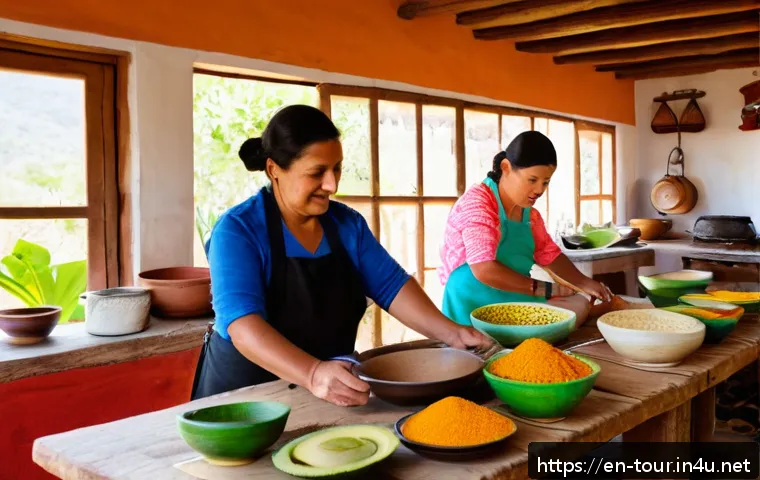
Tourism can sometimes dilute or commodify cultures, but when done right, it encourages preservation. By valuing authentic crafts, festivals, and rituals, travelers help keep these traditions alive.
During a festival in Bali, I noticed how local pride and visitor interest combined to sustain unique dances and ceremonies. This kind of cultural exchange enriches both visitors and hosts, fostering mutual respect.
Personal Growth Through Responsible Travel
Traveling sustainably is more than a checklist—it’s a mindset that deepens empathy and awareness. I’ve found that slowing down, engaging with locals meaningfully, and making conscious choices transform trips from mere sightseeing into transformative journeys.
This approach leaves you with lasting memories and a sense of responsibility toward the world, making every adventure truly worthwhile.
| Aspect | Example | Benefit |
|---|---|---|
| Eco-Friendly Accommodations | Solar-powered lodges in Costa Rica | Reduces energy use and supports local conservation |
| Wildlife-Friendly Tours | Kenyan safaris with ethical guides | Protects animal welfare and offers authentic experiences |
| Local Cultural Engagement | Cooking classes with Mexican families | Preserves traditions and empowers communities |
| Sustainable Transport | European train travel instead of flights | Lower carbon emissions and scenic journeys |
| Community Empowerment | Tourism-funded schools in Southeast Asia | Improves local quality of life and services |
Choosing Responsible Tour Operators and Experiences
What to Look for in a Tour Provider
Selecting a tour operator committed to sustainability can be tricky but rewarding. Look for transparency about their environmental policies, community involvement, and certifications.
During a trekking trip in Nepal, I chose a company that donated part of its profits to local schools and strictly followed waste management protocols.
The difference was clear—not only did I enjoy a well-organized trip, but I felt proud to support responsible practices.
How to Ask the Right Questions Before Booking
Don’t hesitate to reach out and ask operators about their sustainability measures. Questions like “How do you minimize environmental impact?” or “Do you work with local communities?” can reveal a lot.
I’ve noticed that companies genuinely committed to sustainability are eager to share their efforts and welcome feedback. This dialogue helps hold the industry accountable and encourages more ethical tourism options.
Building Long-Term Relationships with Local Guides
Hiring local guides enriches your experience with authentic insights and supports livelihoods. In Bhutan, my guide’s deep knowledge of traditions and nature made the trip unforgettable.
Beyond just sightseeing, these connections foster cultural exchange and mutual respect. Choosing operators who prioritize fair wages and training for locals ensures your adventure benefits everyone involved.
Minimizing Waste and Respecting Resources on the Road
Simple Habits That Make a Big Difference
Travelers often underestimate how much waste they generate, especially single-use plastics. Carrying a reusable water bottle, bags, and utensils can drastically cut down on trash.
I always pack a small kit for this, and it’s surprisingly easy once you get into the habit. Small changes like these reduce landfill pressure and help keep natural areas pristine.
Choosing Destinations with Strong Environmental Policies
Some destinations have strict regulations to protect their environment, such as banning plastic bags or limiting visitor numbers. Visiting these places supports conservation efforts and encourages others to follow suit.
For example, Bhutan’s “high-value, low-impact” tourism model impressed me with its balance between welcoming visitors and preserving nature and culture.
Leaving No Trace: A Traveler’s Responsibility
Whether hiking, camping, or visiting urban areas, the principle of “leave no trace” should guide your actions. This means packing out all trash, respecting wildlife, and avoiding damage to natural or cultural sites.
On a backpacking trip in the Canadian Rockies, I saw how groups that followed these guidelines left the trails beautiful for everyone. Being a responsible traveler ensures that future explorers can enjoy the same wonders.
Technology’s Role in Advancing Sustainable Travel
Apps and Platforms That Encourage Greener Choices
Technology can be a powerful ally in sustainable travel. Apps now help you find eco-friendly accommodations, green transport options, and local experiences that benefit communities.
I often use platforms that highlight businesses with verified sustainability credentials, making it easier to plan responsibly. These tools save time and help travelers make informed decisions without sacrificing convenience.
Virtual Tours and Reducing Over-Tourism
Virtual reality and online tours offer alternatives to overcrowded destinations. While nothing replaces being there in person, virtual experiences can satisfy curiosity and reduce pressure on fragile sites.
For instance, during the pandemic, I explored museums and natural parks virtually, which sparked a deeper appreciation before visiting in person later.
This technology can help balance tourism demand and protect popular spots.
Smart Travel Planning for Lower Impact
Using data and AI, travelers can optimize routes to reduce carbon footprints and avoid peak seasons. This means less congestion and a more enjoyable experience.
I found that booking trips during shoulder seasons not only cuts environmental stress but also offers better prices and fewer crowds. Planning ahead with sustainability in mind transforms travel into a more thoughtful and rewarding adventure.
In Conclusion
Choosing eco-friendly travel options is more than a trend—it’s a meaningful way to protect the planet and support local communities. From sustainable accommodations to mindful transportation and cultural respect, every choice adds up. By embracing responsible travel, we create experiences that benefit both ourselves and the places we visit. Let’s make conscious decisions that leave a positive mark on the world.
Helpful Tips to Remember
1. Research accommodations carefully to ensure they have credible eco-certifications and genuine sustainability practices.
2. Prioritize tours and activities that respect wildlife and promote conservation efforts.
3. Engage with local cultures thoughtfully by learning customs beforehand and supporting authentic community experiences.
4. Opt for greener transportation methods like trains, bikes, or electric vehicles whenever possible to reduce your carbon footprint.
5. Practice simple habits such as carrying reusable items and following “leave no trace” principles to minimize waste and environmental impact.
Key Takeaways for Responsible Travel
Sustainable tourism blends environmental care, cultural respect, and community empowerment. Travelers should seek transparency from service providers and ask meaningful questions about their eco-friendly efforts. Supporting local economies, preserving traditions, and minimizing waste are essential steps. Ultimately, responsible travel nurtures a deeper connection with destinations, creating lasting benefits for both visitors and hosts alike.
Frequently Asked Questions (FAQ) 📖
Q: uestions about Sustainable TravelQ1: What exactly does sustainable travel mean, and how can I practice it on my trips?
A: Sustainable travel focuses on minimizing negative impacts on the environment, culture, and local economies while maximizing positive contributions. Practically, this means choosing eco-friendly accommodations, supporting local businesses, respecting cultural traditions, and reducing waste.
For example, I always try to stay at lodges that use renewable energy or water-saving systems, and I make a point to buy souvenirs directly from artisans rather than mass-produced items.
It’s about making mindful choices that leave a lighter footprint and create meaningful connections.
Q: Are sustainable travel options more expensive or less convenient than traditional tourism?
A: While some sustainable options might seem pricier upfront, they often offer better value in the long run through authentic experiences and community benefits.
From my experience, eco-lodges or locally run tours might cost a bit more, but they provide unique insights you won’t get from typical hotels or large tour operators.
Plus, many sustainable travel choices promote slower, more immersive trips, which can actually reduce stress and improve overall enjoyment. Convenience might require a little extra planning, but the rewards far outweigh the effort.
Q: How can I ensure my visit benefits the local communities I’m traveling to?
A: To truly support local communities, focus on spending your money directly with local businesses, guides, and artisans. Avoid large international chains or tours that don’t reinvest in the area.
When I traveled to a small village recently, I made sure to hire a local guide, eat at family-run restaurants, and purchase handmade crafts. Also, learning and respecting cultural norms shows appreciation beyond economic support.
Small actions like these help empower communities and preserve their heritage for future travelers to enjoy.