In today’s rapidly evolving travel landscape, understanding traveler behavior and preferences has never been more crucial. With emerging technologies and data-driven approaches, researchers are unlocking fresh perspectives that promise to transform how we study tourism.
Whether it’s through immersive virtual reality experiences or AI-powered sentiment analysis, innovative methods are reshaping the future of travel insights.
Join me as we explore these cutting-edge tools that not only deepen our knowledge but also pave the way for smarter, more sustainable tourism strategies.
If you’re passionate about travel or curious about the behind-the-scenes of tourism research, this journey is for you. Let’s dive in and discover what the future holds!
Harnessing Big Data to Decode Traveler Patterns
Collecting Data from Diverse Digital Touchpoints
Travelers today leave digital footprints everywhere—from booking websites and social media platforms to GPS-enabled devices and wearable tech. These massive streams of data offer an unprecedented window into when, where, and how people travel.
I’ve noticed that by tapping into this wealth of information, tourism researchers can map out detailed travel routes, peak visit times, and even preferences down to specific attractions.
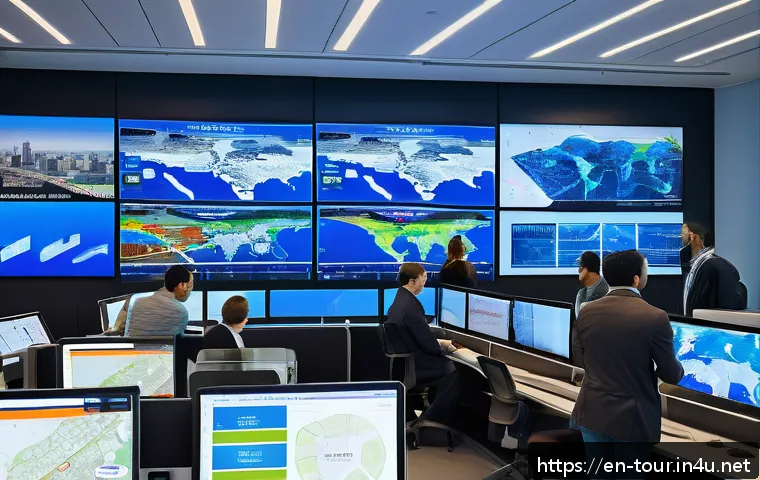
The real challenge lies in organizing and interpreting this flood of data, but with advances in cloud computing and machine learning, what once felt overwhelming now becomes actionable insight.
For example, analyzing Instagram geotags alongside hotel bookings can reveal emerging hotspots before they hit mainstream popularity, giving destinations a strategic edge.
Analyzing Sentiment to Understand Traveler Emotions
It’s one thing to know where travelers go; it’s another to grasp how they feel about their experiences. AI-powered sentiment analysis tools scan reviews, tweets, and blogs to detect emotional tones—whether delight, frustration, or nostalgia.
From my experience, this emotional layer adds depth to tourism studies by highlighting not just preferences but pain points and moments of joy. For instance, a surge of negative sentiments related to overcrowding at a national park can prompt managers to rethink visitor flows or introduce timed ticketing.
By combining quantitative data with qualitative emotion signals, researchers create a more human-centric understanding of tourism that ultimately benefits both travelers and hosts.
Predictive Modeling for Smarter Tourism Planning
Using historical travel data and current trends, predictive models forecast future visitor behaviors and demands. I’ve seen these models help cities prepare for seasonal influxes, optimize transportation schedules, and allocate resources efficiently.
What’s exciting is that these forecasts can adapt in real-time as new data streams in, allowing tourism stakeholders to respond proactively rather than reactively.
For example, a coastal town might use predictive analytics to anticipate a spike in eco-tourism interest and accordingly ramp up conservation efforts and green accommodations.
This forward-thinking approach supports sustainability by balancing economic gain with environmental stewardship.
Immersive Technologies Transforming Travel Research
Virtual Reality as a Research and Marketing Tool
Virtual reality (VR) isn’t just for gamers anymore; it’s becoming a powerful medium for understanding traveler decision-making. I recently tried a VR simulation that recreated a cultural festival, and it was astonishing how realistic the experience felt.
Researchers use VR to test how different environments or services influence visitor satisfaction without needing to be physically present. This approach saves costs and offers a safe space to experiment with various tourism scenarios.
Additionally, destination marketers deploy VR experiences to entice potential visitors by immersing them in local sights and sounds, which can significantly boost engagement and bookings.
Augmented Reality Enhancing On-Site Experiences
Augmented reality (AR) overlays digital information onto the real world, enriching the way travelers explore destinations. From interactive museum guides to real-time language translation, AR enhances accessibility and engagement.
During a recent trip, I used an AR app that brought historical landmarks to life by displaying 3D reconstructions on my phone screen. This kind of technology not only deepens visitor understanding but also generates valuable behavioral data for researchers.
Tracking which AR features users interact with most helps tailor future content and improve overall tourism experiences.
Wearable Devices Monitoring Traveler Well-being
Wearables like smartwatches and fitness trackers provide continuous data on traveler health metrics such as heart rate, stress levels, and sleep quality.
I’ve observed that integrating this physiological data into tourism research offers unique insights into how travel environments impact well-being. For example, crowded or noisy destinations may elevate stress indicators, suggesting a need for quieter, restorative spaces.
This biofeedback loop supports designing tourism offerings that prioritize mental and physical health, which is increasingly important in today’s wellness-focused travel market.
Social Media as a Dynamic Tourism Research Platform
Real-Time Trend Spotting and Community Insights
Social media platforms act as living laboratories where traveler trends emerge and evolve rapidly. By monitoring hashtags, check-ins, and user-generated content, researchers capture shifting interests and sentiments almost instantaneously.
I’ve personally found that social media listening tools uncover niche travel communities—like eco-adventurers or culinary explorers—that might otherwise go unnoticed.
This granular understanding enables more targeted marketing and product development, ensuring offerings resonate authentically with specific traveler segments.
Influencer Impact on Destination Perceptions
Travel influencers wield considerable power in shaping how destinations are perceived and chosen. From my observations, collaborations between destinations and influencers often lead to spikes in visitation, but they also raise questions about authenticity and sustainability.
Researchers analyze influencer content and follower reactions to gauge the credibility and long-term effects on local communities. This helps balance promotional benefits with preserving cultural integrity and environmental health, fostering responsible tourism growth.
Harnessing User-Generated Content for Deeper Insights
Beyond influencer posts, everyday traveler-generated photos, videos, and reviews provide rich qualitative data. I’ve noticed that analyzing this content reveals unexpected themes like hidden gems, accessibility challenges, or emerging micro-trends.
Combining automated text analysis with manual review ensures a nuanced interpretation of traveler voices. This crowdsourced intelligence supports continuous improvement of tourism services and policy-making grounded in authentic visitor experiences.
Ethical Considerations in Tourism Data Collection
Ensuring Privacy and Informed Consent
Collecting traveler data at scale raises serious ethical questions, especially regarding privacy and consent. From my discussions with industry experts, transparent communication about what data is collected and how it will be used is essential to maintain trust.
Implementing strict anonymization protocols and complying with regulations like GDPR protects traveler identities while still allowing valuable research.

Ethical data practices also encourage more travelers to participate voluntarily, enriching datasets with honest and diverse perspectives.
Balancing Commercial Interests and Traveler Rights
Tourism stakeholders often have competing priorities: maximizing economic returns versus protecting traveler rights and well-being. I’ve witnessed scenarios where aggressive data monetization leads to intrusive marketing or surveillance, alienating visitors.
Responsible research frameworks advocate for clear boundaries and community engagement to align commercial goals with traveler interests. This balance fosters sustainable tourism that respects individuals and their digital footprints.
Promoting Inclusivity Through Diverse Sampling
Ensuring research represents diverse traveler groups—across age, ethnicity, ability, and socio-economic status—is critical. In my experience, overlooking marginalized voices skews findings and perpetuates inequities in tourism access and benefits.
Employing mixed-method approaches and outreach strategies helps capture a fuller picture of traveler experiences. Inclusive research ultimately drives more equitable tourism development and policy formulation.
Integrating Sustainability Metrics into Travel Behavior Studies
Tracking Environmental Footprints of Travel Choices
As climate concerns mount, understanding the ecological impacts of travel decisions is more urgent than ever. Using satellite data, carbon calculators, and mobile tracking, researchers measure emissions and resource consumption linked to transportation, accommodation, and activities.
I found that sharing these insights with travelers often prompts more eco-friendly behaviors, such as choosing trains over planes or supporting local green businesses.
Embedding sustainability metrics into tourism research creates accountability and encourages greener travel habits.
Evaluating Social and Cultural Sustainability
Sustainable tourism isn’t only about the environment—it also encompasses preserving cultural heritage and supporting host communities. I’ve seen studies incorporating indicators like community participation, cultural authenticity, and economic benefits distribution.
These multidimensional metrics help identify whether tourism development respects local values and promotes social cohesion. Such evaluations guide stakeholders in crafting policies that nurture both visitor satisfaction and community resilience.
Designing Incentives for Responsible Travel
Based on sustainability data, tourism operators and policymakers can create incentive programs to reward responsible traveler behavior. For instance, loyalty points for choosing eco-certified hotels or discounts for using public transport motivate greener choices.
I’ve observed that gamification elements tied to sustainability not only increase engagement but also foster a sense of shared responsibility. This strategic use of data-driven incentives bridges the gap between awareness and action in sustainable tourism.
Visualizing Complex Travel Data for Better Decision-Making
Interactive Dashboards and Geographic Information Systems
Interactive data visualization tools, including GIS mapping, transform complex datasets into intuitive visuals that stakeholders can explore dynamically.
I’ve worked with dashboards that track visitor flows, spending patterns, and satisfaction levels in real time. These visualizations make it easier to spot trends, identify bottlenecks, and test “what-if” scenarios.
For example, a city tourism office might use heat maps to optimize signage placement or pedestrian routes. This hands-on approach empowers decision-makers with clarity and agility.
Storytelling Through Data to Engage Broader Audiences
Turning raw numbers into compelling narratives is key to communicating research findings effectively. I’ve noticed that weaving traveler stories alongside data points captures attention and builds emotional connections.
Infographics, videos, and interactive web stories invite stakeholders and the public to understand tourism dynamics on a human level. This storytelling approach not only educates but also mobilizes support for initiatives, making research outcomes more impactful.
Comparative Tables to Summarize Key Insights
| Data Source | Application | Benefits | Challenges |
|---|---|---|---|
| Social Media Analytics | Trend detection, sentiment analysis | Real-time insights, broad reach | Data noise, privacy concerns |
| Wearable Devices | Health and well-being monitoring | Objective physiological data | Limited adoption, ethical issues |
| Virtual & Augmented Reality | Experience simulation and enhancement | Immersive testing, visitor engagement | High cost, technology accessibility |
| Predictive Modeling | Demand forecasting, resource allocation | Proactive planning, efficiency | Model accuracy, data dependency |
| Big Data Integration | Comprehensive traveler profiling | Granular insights, personalized services | Data management complexity |
Conclusion
In summary, leveraging big data and immersive technologies is revolutionizing how we understand traveler behavior and preferences. These tools not only enhance tourism research but also enable smarter, more sustainable planning that benefits both visitors and communities. Embracing ethical practices and diverse perspectives ensures this progress is responsible and inclusive. As the travel landscape evolves, so too must our approaches to capturing and interpreting the rich tapestry of traveler experiences.
Useful Information to Keep in Mind
1. Big data collected from multiple digital sources provides deep insights into travel patterns and emerging trends, helping destinations stay ahead of the curve.
2. Sentiment analysis reveals emotional responses that guide improvements in visitor experiences and address pain points effectively.
3. Predictive models allow for proactive resource management, supporting sustainability and enhancing traveler satisfaction.
4. Immersive technologies like VR and AR offer cost-effective ways to research and market destinations while enriching on-site experiences.
5. Ethical data collection with transparency and inclusivity is essential to build trust and ensure fair representation in tourism studies.
Key Takeaways
Balancing innovative data use with respect for traveler privacy and cultural integrity is crucial for sustainable tourism development. Integrating environmental and social sustainability metrics alongside advanced analytics fosters responsible travel behaviors. Visual storytelling and interactive tools enhance stakeholder engagement and decision-making. Ultimately, tourism research must remain adaptable, human-centered, and ethically grounded to truly benefit both travelers and host communities.
Frequently Asked Questions (FAQ) 📖
Q: uestionsQ1: How are emerging technologies like virtual reality changing the way we study traveler behavior?
A: Virtual reality (VR) is revolutionizing tourism research by offering immersive simulations that replicate travel experiences without the need for physical travel.
This allows researchers to observe how travelers react in controlled, yet realistic settings—whether it’s exploring a destination or interacting with local culture.
From my experience, VR enables more accurate insights into preferences and emotional responses, helping tailor marketing strategies and improve destination planning without the constraints of traditional surveys or field studies.
Q: What role does
A: I-powered sentiment analysis play in understanding traveler preferences? A2: AI-powered sentiment analysis sifts through vast amounts of user-generated content such as reviews, social media posts, and travel blogs to detect travelers’ true feelings and opinions.
I’ve noticed that this technology uncovers nuanced emotions and trends that might be missed by manual analysis. It helps tourism professionals identify what delights or frustrates visitors in real time, allowing for rapid adjustments to services or campaigns.
Essentially, it transforms raw data into actionable insights, making traveler feedback more meaningful and immediate.
Q: How can these innovative research methods contribute to more sustainable tourism strategies?
A: By leveraging tools like VR and AI, researchers can predict and influence traveler behavior in ways that promote sustainability. For example, VR can simulate the environmental impact of overcrowding, encouraging tourists to choose less-visited destinations.
AI can analyze patterns to optimize resource allocation and reduce waste. From what I’ve observed, integrating these technologies helps stakeholders design smarter tourism models that balance visitor satisfaction with environmental preservation, ultimately supporting long-term sustainability goals.