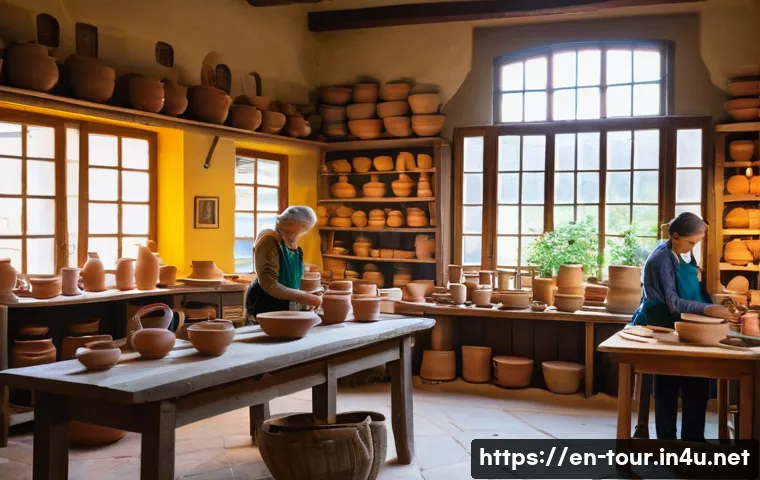
Revitalizing local tourism has become more important than ever as communities seek to boost their economies and preserve cultural heritage. By tapping into unique attractions and authentic experiences, destinations can attract travelers looking for meaningful adventures beyond the usual hotspots.
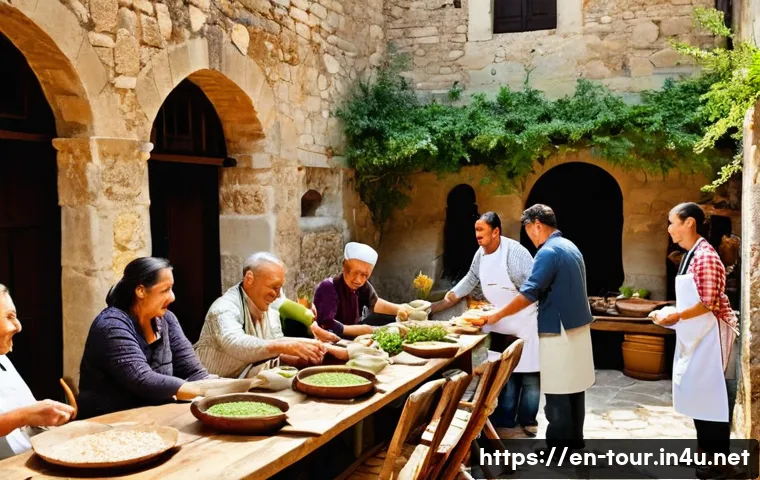
Incorporating sustainable practices and digital marketing strategies also plays a key role in drawing a diverse audience. I’ve noticed firsthand how small changes can lead to a big impact on visitor engagement and satisfaction.
Let’s dive deeper and explore practical ways to breathe new life into regional tourism!
Embracing Authentic Local Experiences to Captivate Visitors
Highlighting Hidden Gems Beyond Mainstream Attractions
When travelers seek out local destinations, they crave something genuine—something that tells a story they can’t get anywhere else. Instead of pushing the same well-trodden landmarks, communities can spotlight lesser-known spots that reveal the true character of the area.
For example, a small town’s artisan workshops, historic neighborhoods, or natural trails often provide a richer, more immersive experience. From my own visits, I’ve seen how promoting these “hidden gems” not only draws curious visitors but also encourages longer stays and more meaningful interactions with locals.
It’s about shifting the focus from just sightseeing to storytelling through place.
Encouraging Cultural Immersion Through Community Engagement
Authenticity thrives when visitors connect directly with the people who shape the culture. Organizing interactive workshops, traditional cooking classes, or local festivals invites tourists to participate rather than just observe.
This engagement builds emotional ties and fosters respect for the heritage being preserved. I recall a small town where tourists were invited to join a community-led farming activity—beyond the novelty, this hands-on approach created lasting memories and word-of-mouth buzz.
The key is to make sure these experiences are respectful, well-organized, and genuinely representative of the community’s identity.
Crafting Story-Driven Marketing That Resonates
Marketing local tourism can’t just be about flashy ads or generic slogans. The stories behind the place—its history, its people, its traditions—must take center stage.
Digital channels offer a powerful platform to share these narratives through videos, blogs, and social media posts that evoke emotion and curiosity. I’ve noticed campaigns that focus on personal stories or local legends tend to perform better in terms of engagement and conversion because they tap into the human desire for connection.
Authenticity here is non-negotiable; audiences can spot insincerity instantly, which can backfire.
Implementing Sustainable Practices for Long-Term Growth
Balancing Visitor Influx with Environmental Preservation
Sustainability isn’t just a buzzword—it’s a necessity if local tourism is to thrive without degrading the very attractions that draw visitors. Communities should adopt policies that limit over-tourism and protect natural resources, such as establishing visitor caps during peak seasons or promoting off-peak travel.
From my experience working with eco-conscious destinations, those that educate tourists on responsible behavior see a positive shift in both the environment and visitor satisfaction.
Small actions like encouraging reusable water bottles or supporting local conservation efforts make a big difference when consistently applied.
Supporting Local Economies Through Ethical Partnerships
Tourism dollars should circulate within the community rather than leak out to external corporations. Prioritizing local vendors, artisans, and service providers ensures that the economic benefits reach those who preserve and enrich the culture.
For instance, developing cooperative marketplaces where locals sell handmade goods directly to tourists empowers entrepreneurship and strengthens community bonds.
I’ve witnessed how these initiatives not only boost income but also enhance the authenticity of the visitor experience, creating a win-win scenario.
Measuring Impact to Adapt and Improve Strategies
Sustainability requires continuous monitoring and flexibility. Tracking visitor numbers, environmental impact, and community feedback enables destinations to adjust their approaches in real time.
I’ve found that data-driven decisions combined with open dialogue with residents lead to more balanced tourism growth. Using digital tools like visitor apps or online surveys helps gather insights without intrusive methods, fostering trust and transparency.
Leveraging Digital Marketing to Reach Diverse Audiences
Utilizing Social Media to Showcase Local Stories
Social media platforms are invaluable for reaching potential travelers, especially millennials and Gen Z who crave authentic experiences. By sharing visually compelling content—think behind-the-scenes looks at local traditions, interviews with artisans, or virtual tours—destinations can spark interest and create a sense of intimacy before visitors even arrive.
I’ve personally seen how Instagram stories and TikTok videos highlighting quirky local customs can go viral, attracting attention far beyond traditional advertising methods.
Optimizing Websites and Booking Platforms for User Experience
A seamless online presence can make or break a traveler’s decision to visit. Websites need to be mobile-friendly, easy to navigate, and packed with practical information like transport options, accommodation details, and event calendars.
Integrating direct booking options or partnership links with local businesses reduces friction and builds trust. From my standpoint, destinations that invest in user-centric digital design see higher conversion rates and better reviews, which are crucial in today’s competitive landscape.
Engaging Influencers and Community Advocates
Collaborating with influencers who genuinely appreciate the destination adds credibility and broadens reach. However, authenticity is key here too; forced endorsements rarely resonate.
I’ve noticed that micro-influencers—those with smaller but highly engaged audiences—often generate better ROI because their followers trust their recommendations.
Pairing these collaborations with local voices, like community leaders or passionate residents, amplifies the message and grounds it in real experience.
Enhancing Accessibility to Attract a Broader Spectrum of Travelers
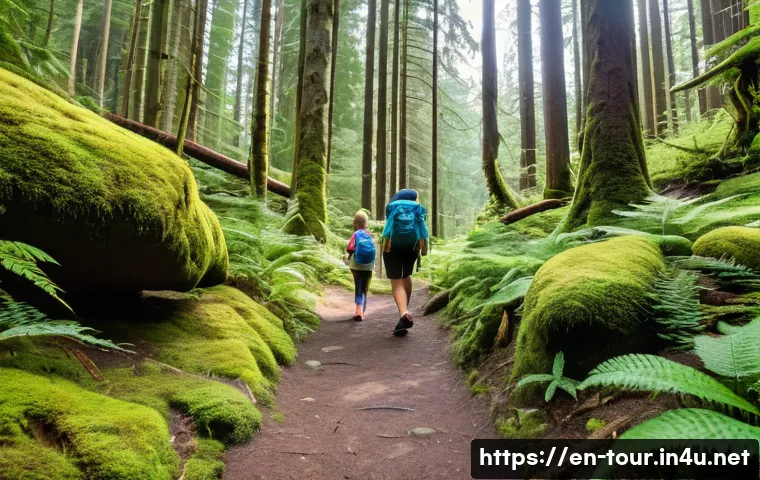
Improving Transportation Connectivity
One major barrier for many regional destinations is the difficulty in reaching them. Improving public transport links, shuttle services, or even ride-sharing partnerships can significantly increase visitor numbers.
In my visits to remote areas, I’ve seen how simple solutions like coordinated bus schedules or clear signage can ease travel anxiety and encourage spontaneous visits.
Accessibility improvements must be communicated clearly through digital channels to maximize impact.
Creating Inclusive Experiences for All Visitors
Tourism should be welcoming to everyone, including travelers with disabilities or special needs. Designing attractions, accommodations, and events with accessibility in mind not only broadens the audience but also reflects the community’s commitment to hospitality.
I’ve experienced how small adjustments—like providing audio guides, ramps, or sensory-friendly tours—make a huge difference in visitor satisfaction and word-of-mouth recommendations.
Offering Multilingual Information and Services
To truly open the doors to international travelers, providing information in multiple languages is essential. This extends beyond just signs and brochures to include website content, guided tours, and customer service.
From my observations, destinations that prioritize language accessibility see higher engagement from diverse markets and a smoother visitor experience overall.
Creating Collaborative Networks to Amplify Regional Appeal
Building Partnerships Among Neighboring Destinations
No destination exists in isolation. Forming alliances with nearby towns or attractions can create comprehensive travel packages that encourage longer stays and cross-promotion.
I’ve seen regions where joint marketing efforts and shared event calendars have generated buzz that individual locales couldn’t achieve alone. This cooperative spirit fosters a stronger regional brand and spreads economic benefits more evenly.
Engaging Local Stakeholders in Planning and Promotion
Community involvement is vital for authentic growth. Establishing advisory boards that include business owners, residents, and cultural leaders ensures that tourism development aligns with local values and needs.
From my experience, when stakeholders feel heard and involved, they become passionate ambassadors, contributing ideas and energy that drive success.
Utilizing Technology Platforms for Coordination
Digital tools can streamline collaboration by centralizing communication, data sharing, and resource management among partners. Platforms that facilitate event planning, visitor tracking, or marketing campaigns help maintain momentum and transparency.
I’ve worked with regions that adopted such tech solutions and witnessed smoother operations and more cohesive branding as a result.
Table: Key Strategies and Their Benefits for Local Tourism Revitalization
| Strategy | Description | Community Benefit | Visitor Impact |
|---|---|---|---|
| Highlighting Hidden Gems | Promoting lesser-known attractions unique to the area | Preserves cultural identity and spreads economic gain | Offers authentic, memorable experiences beyond typical sights |
| Sustainable Practices | Implementing eco-friendly policies and supporting local businesses | Protects environment and empowers residents economically | Enhances satisfaction and encourages responsible travel |
| Digital Storytelling | Using social media and websites to share local narratives | Increases visibility and builds a positive reputation | Creates emotional connections and inspires visits |
| Accessibility Improvements | Enhancing transport, inclusivity, and multilingual services | Broadens audience and fosters community pride | Removes barriers, making travel easier and more enjoyable |
| Collaborative Networks | Partnering with neighboring destinations and stakeholders | Strengthens regional identity and resource sharing | Offers diverse, well-rounded visitor itineraries |
Conclusion
Embracing authentic local experiences and sustainable practices can transform tourism into a meaningful journey for visitors and a lasting benefit for communities. By weaving genuine stories, improving accessibility, and fostering collaboration, destinations can build deeper connections with travelers. This approach not only enriches visitor satisfaction but also ensures the long-term vitality of local culture and economy.
Useful Information to Keep in Mind
1. Prioritize promoting unique, lesser-known attractions to offer visitors authentic experiences beyond typical tourist spots.
2. Implement sustainable tourism practices that protect natural resources while supporting the local economy.
3. Use digital storytelling on social media and websites to engage audiences with compelling local narratives.
4. Enhance accessibility through better transportation, inclusive facilities, and multilingual services to welcome diverse travelers.
5. Build strong partnerships among neighboring communities and involve local stakeholders to create cohesive regional tourism strategies.
Key Takeaways
Focusing on authenticity and sustainability is essential for revitalizing local tourism. Encouraging genuine cultural immersion and supporting local businesses fosters economic and social benefits. Digital marketing and accessibility improvements help reach and welcome a broader audience, while collaboration among communities amplifies regional appeal. Consistent evaluation and adaptation ensure tourism growth aligns with both visitor expectations and community well-being.
Frequently Asked Questions (FAQ) 📖
Q: How can small communities effectively promote their unique cultural heritage to attract tourists?
A: Small communities can highlight their cultural heritage by organizing authentic local events, storytelling tours, and workshops that showcase traditional crafts, cuisine, and customs.
Partnering with local artists and historians adds depth and credibility, while using social media and niche travel blogs helps reach travelers seeking genuine experiences.
From my experience, when communities involve locals in sharing their stories, visitors feel a stronger connection, leading to higher engagement and positive word-of-mouth.
Q: What sustainable practices can local tourism destinations adopt without compromising visitor experience?
A: Sustainable tourism doesn’t mean cutting back on fun—it’s about smart choices. Destinations can focus on eco-friendly accommodations, waste reduction programs, and supporting local businesses to keep economic benefits within the community.
Encouraging visitors to respect natural sites through guided tours and educational signage also helps. I’ve seen places that use solar energy or limit visitor numbers during peak times maintain their charm and attract eco-conscious travelers who appreciate responsible tourism.
Q: How important is digital marketing for revitalizing local tourism, and what strategies work best?
A: Digital marketing is absolutely crucial today. It allows small destinations to reach a global audience at a fraction of traditional advertising costs.
Effective strategies include creating engaging content like videos and blogs that tell the community’s story, optimizing for local SEO to appear in relevant searches, and leveraging social media influencers who align with the destination’s vibe.
Personally, I noticed that campaigns combining stunning visuals with authentic testimonials drive higher click-through rates and longer site visits, boosting overall interest and bookings.