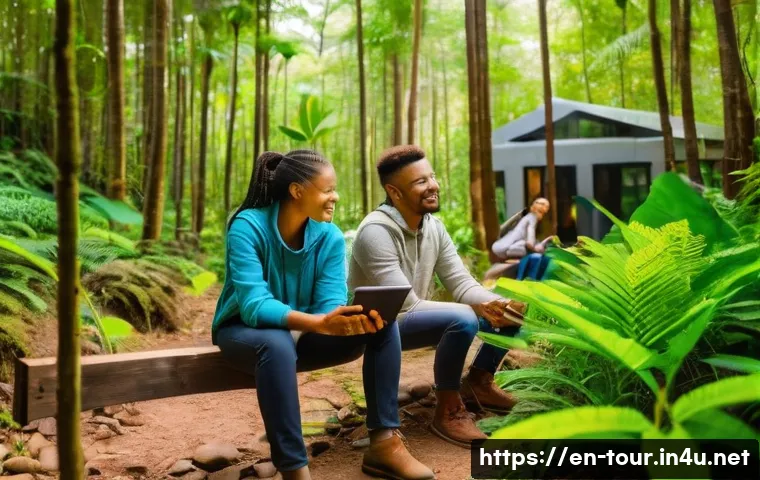
Understanding the mindset behind travelers’ choices can reveal fascinating insights into how people decide where to go, what to spend on, and what experiences truly matter.
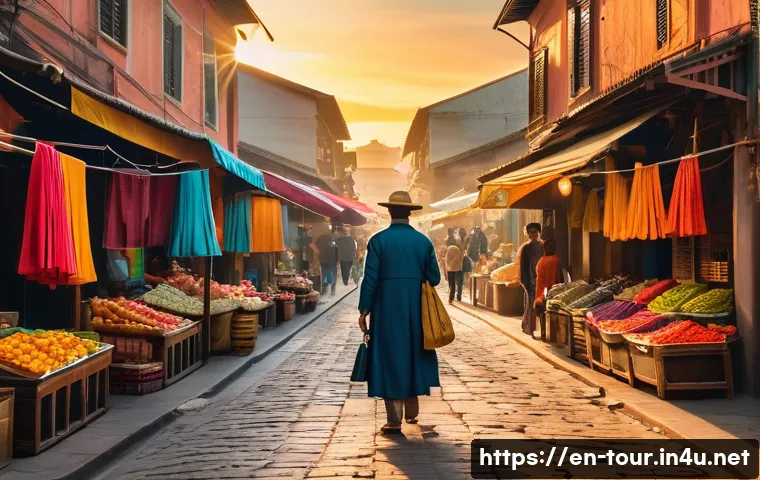
From the thrill of discovering hidden gems to the comfort of familiar destinations, tourists’ psychological drivers shape the entire travel industry. Factors like motivation, perception, and emotional connection often guide spending habits more than just price or convenience.
As the world evolves with new trends and technology, so does the way travelers think and act. Let’s dive deeper to uncover the secrets behind tourism consumer behavior and see what really influences those unforgettable journeys.
Stay tuned, because I’m about to break it all down for you!
How Personal Values Shape Travel Decisions
Seeking Meaning Beyond the Destination
Travelers today are no longer just ticking boxes on a map. Many of us crave experiences that resonate with our core values—whether that’s sustainability, cultural immersion, or personal growth.
For instance, I noticed when I chose eco-friendly lodgings on a recent trip, it wasn’t just about the green label but about feeling aligned with my desire to protect the planet.
This sense of purpose can turn an ordinary vacation into a transformative journey, motivating people to research destinations deeply before booking. This trend is especially strong among millennials and Gen Z, who often prioritize authenticity and ethical travel over flashy resorts or convenience.
The Role of Identity in Destination Choice
What we choose to do on vacation often reflects who we think we are or who we want to become. Adventure seekers might pick remote hiking trails, while food lovers go for culinary capitals.
When I planned a trip to Italy, I wasn’t just after the sights—I wanted to connect with my heritage, which made every experience more meaningful. Travelers subconsciously select destinations and activities that reinforce their self-image, and this can even influence how much they’re willing to spend.
Understanding this helps marketers tailor experiences that resonate emotionally, not just logically.
Emotional Connections Drive Spending Patterns
Money follows emotion in travel decisions more than many realize. The thrill of discovery, nostalgia for past trips, or even social status can push travelers to splurge or save.
I remember splurging on a sunset cruise because it felt like a once-in-a-lifetime moment worth the extra cost. On the flip side, comfort and security often persuade travelers to stick with trusted brands or familiar locations, even if cheaper options exist.
These emotional undercurrents explain why some tourists pay premium prices for boutique hotels or exclusive tours—they’re investing in memories, not just services.
The Influence of Social Media and Technology on Travel Choices
Visual Inspiration and FOMO
Scrolling through Instagram or TikTok can spark sudden travel desires like nothing else. The power of visually appealing content creates a fear of missing out (FOMO) that pushes people to book trips impulsively.
Personally, I’ve caught myself bookmarking places after watching influencer videos showcasing hidden beaches or quirky cafes. This dynamic means destinations that manage to go viral can see a rapid surge in visitors, sometimes overwhelming local infrastructure.
Social media also shapes expectations, so travelers increasingly seek out “Instagrammable” spots to share with their followers, blending travel with social identity.
Booking Convenience and Personalization
Technology doesn’t just inspire travel; it transforms how we plan and book. The ability to compare prices instantly, read authentic reviews, and customize itineraries makes travelers more empowered and selective.
From my experience, apps that suggest activities based on past preferences or real-time local events make a trip feel more curated and special. This tech-savvy approach means consumers expect seamless digital experiences from airlines, hotels, and tour operators.
Brands that fail to deliver risk losing attention to more agile competitors who embrace AI and personalization tools.
Virtual Travel and Hybrid Experiences
The rise of virtual reality and augmented reality opens new frontiers in travel behavior. While nothing beats physical presence, VR tours offer a taste of destinations before committing, reducing uncertainty and boosting confidence in choices.
I tried a VR museum tour before visiting Paris, which heightened my excitement and helped me plan better. Hybrid experiences combining digital previews with real visits are becoming a powerful way to engage curious travelers and expand market reach beyond traditional boundaries.
Risk Perception and Its Impact on Destination Popularity
Safety Concerns and Traveler Confidence
How safe travelers feel significantly influences their choices. Political instability, health scares, or natural disasters can cause sudden shifts in demand.
For example, after hearing news about unrest in a particular region, I delayed my trip and opted for a more stable destination instead. Perceived safety isn’t always aligned with reality, but it drives behavior nonetheless.
Destinations that actively communicate risk mitigation and maintain transparent safety protocols tend to retain or regain traveler trust faster.
Balancing Adventure and Security
Many travelers crave excitement but want to avoid unnecessary danger. This delicate balance leads to careful research and risk assessment. Adventure tourists might seek controlled thrill experiences like zip-lining or scuba diving with certified guides rather than venturing into unknown territories recklessly.
Personally, I appreciate when tour operators provide detailed safety briefings and insurance options—it makes me feel more comfortable stretching my boundaries while knowing I’m protected.
Insurance and Cancellation Policies as Decision Factors
Flexible cancellation policies and travel insurance options have become decisive factors in booking, especially post-pandemic. When I booked my last international trip, the presence of a refundable ticket and comprehensive insurance gave me peace of mind.
This sense of security encourages travelers to commit earlier and spend more confidently, knowing they won’t lose everything if plans change. Travel providers offering these flexible options gain a competitive edge in a market where uncertainty remains a major concern.
The Psychological Pull of Novelty and Familiarity
Exploring the Thrill of New Experiences
The desire to discover something new fuels many travelers’ choices. Novelty offers excitement, learning, and a break from routine. I remember my first solo trip to Japan—everything felt fresh and exhilarating, from unfamiliar food to cultural rituals.
This craving for newness often drives tourists toward emerging destinations or unique experiences off the beaten path. It also explains why some travelers repeatedly seek different countries or regions instead of returning to the same place.
The Comfort of Returning to Favorite Spots
Conversely, familiarity provides reassurance and relaxation. Returning to a beloved beach town or hotel can feel like coming home, reducing stress and decision fatigue.
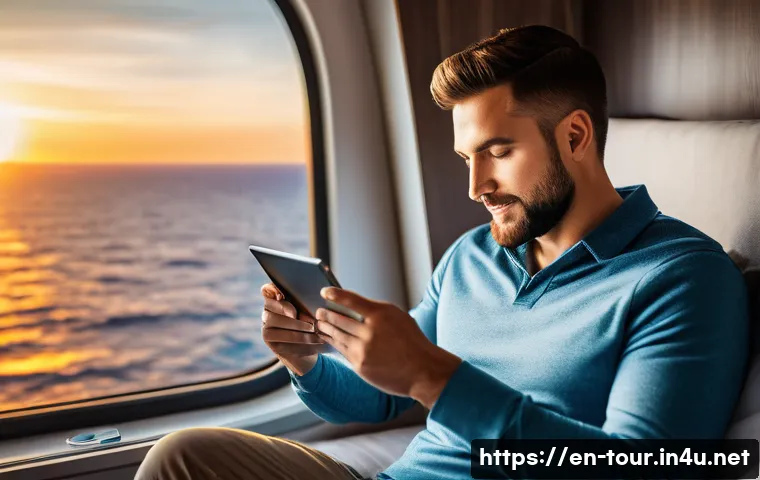
I personally enjoy revisiting certain places because it allows me to deepen connections and enjoy the comfort of known surroundings. This balance between novelty and familiarity varies by traveler personality, trip purpose, and mood, shaping diverse consumer segments in the tourism market.
How Mixes of Both Shape Itineraries
Many travelers blend new adventures with familiar comforts in one trip. For example, they might stay in a favorite hotel but explore a new neighborhood or take a novel day trip.
This approach satisfies the need for security while still feeding the appetite for discovery. Understanding this nuance helps travel brands design packages that cater to both impulses, increasing appeal and satisfaction.
The Social Influence of Travel Companions and Community
The Role of Family and Friends in Decision-Making
Travel choices rarely happen in isolation. Whether it’s coordinating schedules, agreeing on budgets, or selecting activities, companions heavily influence decisions.
I’ve found that traveling with close friends means compromises but also shared excitement that enhances the experience. The dynamics of group travel affect destination, accommodation, and even spending habits, as people balance individual preferences with group cohesion.
Online Communities and Peer Recommendations
Digital forums, review sites, and social media groups provide a platform for sharing travel tips and experiences. I often rely on these communities to validate my plans or discover lesser-known spots.
Positive peer reviews build trust more than traditional advertising, guiding travelers toward destinations and services they might not find otherwise.
This social proof plays a crucial role in shaping consumer confidence and behavior.
How Social Identity Shapes Travel Style
People often choose travel styles that align with their social groups or aspirational identities. For example, a foodie circle might prioritize gastronomic tours, while adventure clubs seek extreme sports.
I noticed that when traveling with my hiking group, we naturally gravitated toward rugged trails and camping. This social alignment reinforces preferences and spending patterns, creating niche markets within the broader tourism industry.
Budgeting Behaviors and Value Perception in Travel
Prioritizing Experiences Over Material Comfort
Many travelers allocate their budgets to maximize memorable experiences rather than luxury accommodation or souvenirs. I once skipped a fancy hotel to splurge on a hot air balloon ride, which turned out to be the highlight of my trip.
This prioritization reflects a shift from materialism toward experiential value, where spending is justified by emotional payoff and unique memories.
How Discounts and Deals Influence Timing
Price sensitivity often dictates when and where people travel. Flash sales, off-season discounts, and loyalty programs can nudge travelers to book earlier or choose less popular destinations.
I’ve taken advantage of last-minute deals that opened opportunities to visit places I hadn’t considered initially. These pricing strategies help spread demand and increase accessibility, but travelers also weigh them against convenience and personal preferences.
Value Perception Beyond Price
Value isn’t always about paying less; it’s about what you get for your money. I once paid a premium for a guided cultural tour because the insider knowledge and access made it feel worth every dollar.
Travelers assess quality, uniqueness, and service alongside cost, which means brands need to communicate benefits clearly to justify pricing. This nuanced understanding of value drives smarter spending and greater satisfaction.
Summary of Key Psychological Drivers and Their Effects on Travel
| Psychological Driver | Impact on Travel Choices | Effect on Spending | Typical Traveler Behavior |
|---|---|---|---|
| Personal Values | Destination and accommodation align with ethics and identity | Willingness to pay more for sustainable or authentic options | Research-driven, selective, loyal to aligned brands |
| Social Media Influence | Impulsive booking based on trends and visual appeal | Spending on “Instagrammable” experiences and souvenirs | Trend-sensitive, experience-focused, tech-savvy |
| Risk Perception | Preference for safe, stable destinations | Investment in insurance and flexible bookings | Cautious, values security, seeks reassurance |
| Novelty vs. Familiarity | Choice between new adventures and comfort zones | Balanced spending on new experiences and trusted services | Varies by personality; mixes exploration with relaxation |
| Social Influence | Group preferences shape itinerary and destination | Budget compromises to satisfy group needs | Collaborative, influenced by peers and communities |
| Budget and Value Perception | Prioritizing meaningful experiences over material luxuries | Selective splurging, sensitive to deals and discounts | Experience-oriented, price-conscious, value-driven |
In Conclusion
Understanding how personal values, social influences, risk perception, and budgeting shape travel decisions offers valuable insights into modern traveler behavior. These psychological drivers not only affect where and how people travel but also influence spending habits and overall satisfaction. By recognizing these factors, both travelers and industry professionals can create more meaningful and tailored travel experiences.
Useful Information to Keep in Mind
1. Personal values strongly influence travel choices, encouraging more meaningful and ethical trips.
2. Social media can inspire spontaneous travel but also shape expectations for visually striking experiences.
3. Travelers weigh safety and flexibility heavily, often favoring destinations with clear risk management and cancellation options.
4. Balancing new adventures with familiar comforts helps meet diverse traveler needs and preferences.
5. Budget decisions focus more on experiences and value rather than just price, highlighting the importance of quality and uniqueness.
Key Takeaways for Successful Travel Planning
Travel decisions are deeply personal and influenced by a combination of emotional, social, and practical factors. Prioritizing alignment with one’s values, leveraging technology for personalized planning, and considering safety and flexibility can enhance the travel experience. Additionally, blending novelty with familiarity and understanding group dynamics ensures trips are both exciting and comfortable. Recognizing these elements helps travelers make informed choices and allows travel providers to better meet evolving demands.
Frequently Asked Questions (FAQ) 📖
Q: What psychological factors most influence travelers when choosing their destinations?
A: Travelers are often driven by a mix of motivation, perception, and emotional connection. For instance, some seek adventure and the excitement of discovering something new, while others prioritize comfort and familiarity.
Personal interests, past experiences, and the desire to create meaningful memories weigh heavily. Price and convenience matter, but the emotional appeal of a destination—how it makes someone feel—can override practical concerns.
From my own travels, I’ve noticed that when a place resonates emotionally, I’m more likely to invest in unique experiences rather than just ticking off tourist spots.
Q: How do new trends and technology change the way people make travel decisions?
A: Technology has completely transformed travel choices by providing instant access to reviews, social media inspiration, and personalized recommendations.
Nowadays, travelers don’t just rely on traditional guidebooks; they turn to influencers, online forums, and apps to shape their plans. Trends like sustainable tourism or “off-the-beaten-path” experiences have gained momentum because technology highlights these options more vividly.
From my experience, booking through apps that suggest tailored activities based on my preferences made trips feel more curated and meaningful, influencing both where I go and how I spend my money.
Q: Why do emotional connections often matter more than price when travelers decide how to spend?
A: Emotional connections create lasting memories, making the travel experience feel valuable beyond just cost. People often splurge on experiences that resonate deeply—like a local cooking class, a scenic hike, or cultural festivals—because these moments generate joy and a sense of fulfillment.
Even if a cheaper option exists, the emotional payoff can justify spending more. Speaking personally, I’ve chosen pricier accommodations or tours simply because they promised unique, heartfelt experiences, and looking back, those choices were worth every penny.
Emotional value often drives spending habits more than just budget considerations.