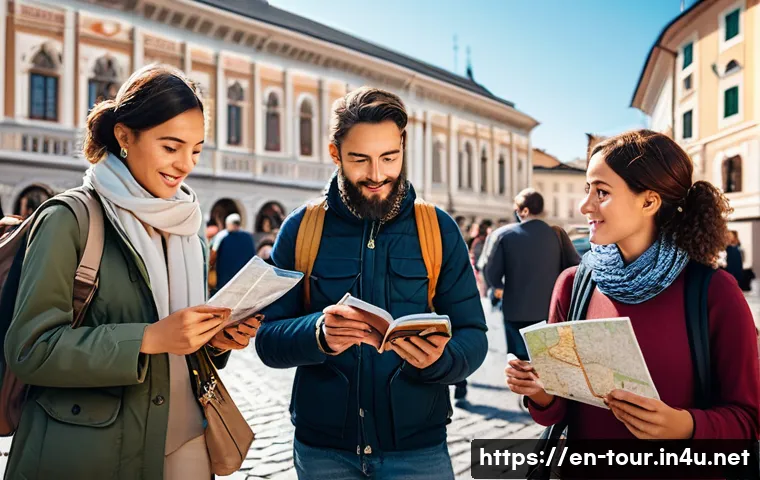
Traveling opens the door to unforgettable experiences, but it also comes with risks that many overlook. From unfamiliar surroundings to unexpected situations, being prepared can make all the difference in staying safe.
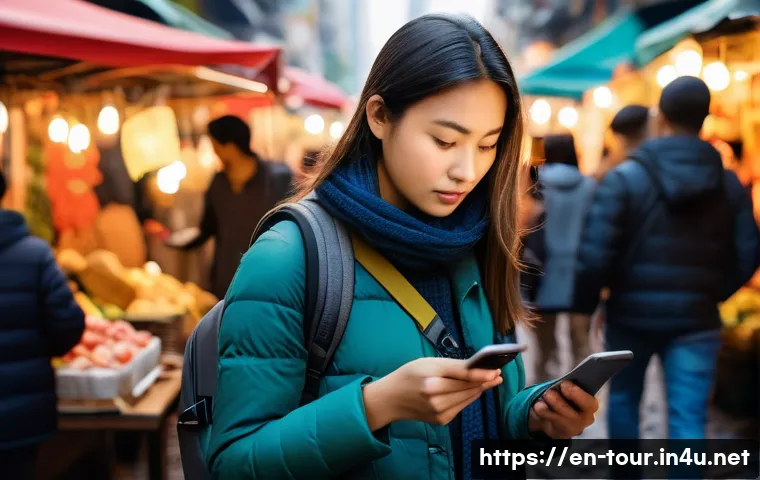
I’ve seen firsthand how a little knowledge about accident prevention can turn a potential mishap into just a minor hiccup. Whether you’re a seasoned traveler or planning your first adventure, understanding safety tips is essential.
Let’s dive into the key strategies that can help you enjoy your trip without worries. Stick around, and I’ll make sure you get all the details clearly!
Mastering Your Surroundings for Safer Travels
Get to Know Local Customs and Laws
When you step into a new country, the first thing you should do is familiarize yourself with local customs and regulations. This isn’t just about being polite—sometimes, what’s considered normal behavior back home could be illegal or offensive elsewhere.
For example, in some countries, certain gestures or clothing choices might lead to serious trouble. I remember once in Italy, a friend of mine unknowingly broke a local rule about dress codes in religious sites, which almost caused a big scene.
Taking a few minutes to read up on these details can save you from awkward or even dangerous encounters.
Stay Alert in Crowded and Tourist-heavy Areas
Tourist hotspots are a magnet for pickpockets and scams. From my experience, the hustle and bustle can easily distract you, making it easier for someone to snatch your belongings.
Always keep your valuables secured and avoid flashing expensive gadgets or large amounts of cash. Using a money belt or a crossbody bag with zippers can make a big difference.
I usually tuck my phone and wallet in inside pockets and stay aware of people getting too close. It’s about blending in and not making yourself an obvious target.
Use Reliable Transportation and Check Vehicle Safety
Choosing the right mode of transport and verifying its safety standards is often overlooked but crucial. Whether it’s a taxi, bus, or rental car, make sure the vehicle is in good condition and the driver is licensed.
When I rented a scooter in Southeast Asia, I realized the helmet was cracked, so I refused to ride until they replaced it. Don’t hesitate to ask questions or walk away if something feels off.
Your safety should always come first, no matter how tempting a cheap ride might be.
Health Precautions to Avoid Unwanted Setbacks
Stay Hydrated and Eat Wisely
Traveling often disrupts your usual eating and drinking habits, which can lead to dehydration or digestive issues. I’ve learned that drinking bottled water and avoiding street food that looks questionable is a must, especially in tropical regions.
It’s also smart to carry some electrolyte packets to keep your energy up after a long day of exploring. Personally, I pack a small first aid kit with antacids and medications for stomach upsets—trust me, it’s a lifesaver when you’re far from a pharmacy.
Get Vaccinated and Know Emergency Numbers
Before you travel, check which vaccinations are recommended or required for your destination. I once skipped a recommended vaccine and ended up feeling unwell halfway through my trip, which was a major hassle.
Also, having local emergency numbers saved in your phone or written down is essential. In an emergency, every second counts, and fumbling through unfamiliar contacts can cost precious time.
Manage Jet Lag and Rest Properly
Jet lag can sneak up on you and affect your alertness and decision-making. I’ve found that adjusting your sleep schedule a few days before traveling and exposing yourself to natural sunlight upon arrival helps immensely.
Don’t push yourself too hard right away; give your body time to adapt. Overexertion can increase the risk of accidents or illness, which nobody wants when on a trip.
Smart Packing Tips to Enhance Safety
Pack Light but Prepare for Emergencies
Overpacking can weigh you down, but underpacking might leave you unprepared for unexpected situations. I always include a small flashlight, a whistle, and a portable phone charger—these little items have come in handy more times than I can count.
Also, bringing copies of important documents like your passport and travel insurance can save you from a nightmare if originals get lost or stolen.
Choose the Right Luggage for Your Destination
The type of luggage you bring can impact your safety and convenience. For instance, in urban areas with lots of walking, a sturdy backpack with anti-theft features is ideal.
On the other hand, rolling suitcases might be better for smooth pavements and airports. When I traveled across Europe, a combination of both worked best.
Make sure your luggage is lockable and easy to handle to avoid leaving it unattended.
Organize Your Bag for Quick Access
Having quick access to essentials like your wallet, phone, and travel documents reduces stress and keeps you alert. I arrange my bag so that these items are in separate compartments, which also helps prevent theft.
When you’re in a hurry or crowded places, fumbling through a messy bag can make you vulnerable. Stay organized and calm, and you’ll enjoy a smoother travel experience.
Technology and Apps That Keep You Secure
Use GPS and Offline Maps
Getting lost in an unfamiliar city is more than just frustrating—it can put you in unsafe situations. I always download offline maps before heading out, especially in areas where internet access might be spotty.
This has saved me from wandering into sketchy neighborhoods or missing critical turns late at night. GPS apps with real-time updates can also alert you to closures or traffic issues.
Install Safety and Translation Apps
Safety apps that share your location with trusted contacts or provide quick access to emergency services can be a game-changer. I use an app that lets my family track my location during solo trips, which gives them peace of mind and me a sense of security.
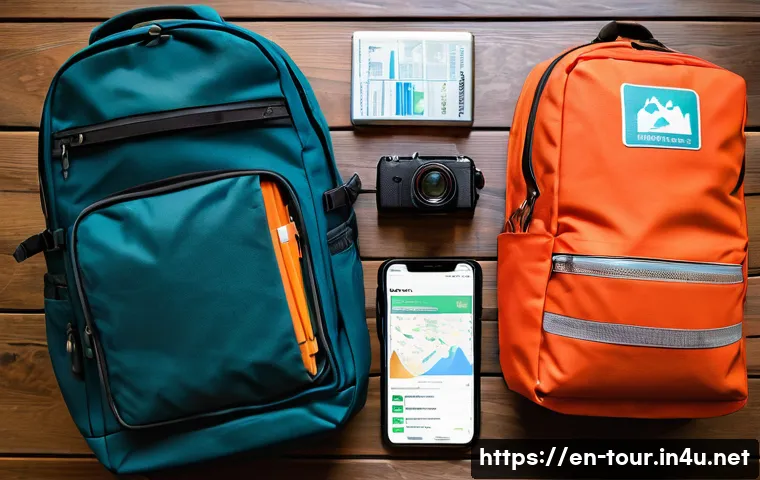
Translation apps are equally important; being able to communicate basic needs or ask for help in the local language has prevented many awkward or risky moments.
Be Cautious with Public Wi-Fi
Free Wi-Fi in cafes or airports is convenient but can expose you to cyber threats. I recommend using a VPN to protect your data when connecting to public networks.
Avoid logging into sensitive accounts or making financial transactions on unsecured connections. Staying safe online is just as important as staying safe on the streets.
Emergency Preparedness and Handling Unexpected Situations
Have a Clear Plan and Share It
Before you leave, let someone trustworthy know your itinerary and check in regularly. I keep a daily update routine with a close friend, which helps if something goes wrong.
Having a plan also means knowing where the nearest hospital, embassy, or police station is located. This preparation can drastically reduce panic during emergencies.
Learn Basic First Aid and Self-defense
Knowing how to treat minor injuries or defend yourself can be invaluable. I took a short first aid course before a hiking trip, and it turned out to be really useful when a fellow traveler twisted their ankle.
Self-defense classes also boost confidence and awareness, helping you avoid dangerous situations altogether.
Stay Calm and Think Clearly
In any emergency, panic can make things worse. I’ve been in a couple of stressful travel moments, and the key was to take deep breaths and assess the situation logically.
Keep your phone charged, have emergency contacts handy, and remember that most problems have solutions if you stay composed.
Practical Safety Gear and Travel Insurance
Choose the Right Travel Insurance Plan
Travel insurance isn’t just a formality; it’s a crucial safety net. I’ve had to rely on mine for a canceled flight and a minor medical issue abroad. Look for plans that cover health emergencies, theft, and trip cancellations.
Reading the fine print and understanding what’s included can save you from unexpected expenses.
Invest in Personal Safety Devices
Carrying personal safety gadgets like alarms, pepper spray (where legal), or wearable trackers adds an extra layer of protection. I carry a small alarm keychain that can draw attention if I ever feel threatened.
These tools aren’t about fear—they’re about empowerment and peace of mind.
Regularly Check and Maintain Your Safety Gear
Gear is only helpful if it works properly. I make it a habit to check batteries on devices, inspect locks, and replace worn-out items before each trip.
It’s surprising how many travelers overlook this simple step and end up with useless gear when they need it most.
| Safety Aspect | Tips | Personal Insight |
|---|---|---|
| Local Knowledge | Learn customs, laws, emergency numbers | Avoided conflict by respecting local dress codes |
| Health | Vaccinations, hydration, carry meds | First aid kit prevented a trip-ruining stomach issue |
| Transportation | Verify vehicle safety, use licensed drivers | Refused unsafe scooter, ensuring no accidents |
| Technology | Use GPS, safety apps, avoid public Wi-Fi risks | Offline maps saved me from unsafe neighborhoods |
| Emergency Preparedness | Share itinerary, learn first aid, stay calm | Clear plans helped during a sudden health scare |
| Safety Gear | Travel insurance, personal alarms, gear checks | Alarm keychain boosted confidence in crowded areas |
In Conclusion
Traveling safely starts with being prepared and aware of your surroundings. By understanding local customs, staying healthy, and using the right tools and precautions, you can enjoy your journey with confidence. Remember, a little extra effort in planning goes a long way in avoiding trouble and making your trip memorable for all the right reasons.
Useful Tips to Keep in Mind
1. Always research local laws and cultural norms before arriving to avoid misunderstandings or offenses.
2. Keep your valuables secure and stay vigilant, especially in crowded tourist areas prone to theft.
3. Prioritize your health by staying hydrated, eating safely, and getting necessary vaccinations before travel.
4. Use trusted transportation options and inspect vehicles to ensure your safety on the road.
5. Equip yourself with technology like offline maps and safety apps, but be cautious when using public Wi-Fi networks.
Key Takeaways for Safe Travels
Successful travel safety depends on proactive preparation and situational awareness. Familiarizing yourself with local customs and emergency contacts helps prevent conflicts and quickens response times in emergencies. Maintaining good health through vaccinations and hydration ensures you can fully enjoy your trip. Always choose reliable transportation and verify safety standards before use. Leveraging technology smartly enhances navigation and communication while protecting your data. Finally, having a clear emergency plan, basic first aid knowledge, and proper safety gear provides confidence and peace of mind throughout your adventures.
Frequently Asked Questions (FAQ) 📖
Q: What are some essential safety tips for travelers to avoid accidents?
A: One of the most important safety tips is to stay aware of your surroundings at all times. This means avoiding distractions like excessive phone use when walking in busy or unfamiliar areas.
Also, always keep your valuables secure and avoid showing them openly to reduce the risk of theft. It’s wise to research local customs and potential hazards before you travel, such as common scams or unsafe neighborhoods.
Carry a basic first-aid kit and know emergency numbers for the area. From my experience, these simple steps can prevent many common mishaps and help you stay confident throughout your trip.
Q: How can travelers prepare for unexpected situations while abroad?
A: Preparation is key when it comes to handling unexpected events. Before traveling, I always make sure to have copies of important documents like my passport and insurance info saved digitally and in print.
Knowing the location of the nearest hospital or embassy can be a lifesaver. It’s also smart to have a flexible itinerary and some local contacts if possible.
When I faced a sudden flight cancellation once, having a backup plan and quick access to customer service helped me avoid a stressful situation. Staying calm and adaptable makes all the difference when plans go sideways.
Q: Is it safe to rely on public transportation in foreign countries?
A: Public transportation safety varies widely depending on the country and city, so doing a bit of homework is crucial. In many places, buses and trains are reliable and affordable, but in others, they might be overcrowded or less regulated.
I recommend using official transportation apps or trusted local advice to choose safe routes and times to travel. Avoid traveling late at night alone on public transit and keep your belongings close.
Personally, I’ve found that combining public transport with ride-share services can offer a safer and more convenient option when exploring unfamiliar cities.